Portable Toilet Hire South Yorkshire
Compare quotes from 5 verified suppliers. Transparent pricing, instant quotes, same-day delivery available across South Yorkshire.
South Yorkshire's portable toilet hire market serves a diverse range of clients across the metropolitan county's four boroughs—Sheffield, Doncaster, Rotherham, and Barnsley. From major regeneration projects in Sheffield's Advanced Manufacturing Innovation District (AMID) to agricultural shows across Doncaster's rural estates, construction sites in Rotherham's Enterprise Zone, and outdoor festivals at Wentworth Woodhouse, the region's suppliers provide HSE-compliant sanitation solutions for events, construction sites, and temporary facilities across urban and rural locations. South Yorkshire's compact geography—covering 600 square miles with excellent M1 and M18 motorway connectivity—enables most suppliers to deliver across the entire county, though Sheffield-based operators typically serve the west (Sheffield, Barnsley), while Doncaster-based companies focus on the east (Doncaster, Rotherham). The region's varied terrain—from Sheffield's hillside suburbs to Doncaster's flat agricultural land—requires suppliers to adapt equipment for steep access roads at Peak District fringe venues and soft ground conditions at rural event sites. Standard portable toilet hire costs £60-75 per week including delivery within 15-20 miles, weekly servicing, and collection—aligned with Yorkshire regional averages. Accessible toilet units meeting Equality Act 2010 standards typically cost £70-85 per week, while luxury trailer units for weddings at venues like Wentworth Woodhouse or corporate events at Sheffield Town Hall range from £400-600 per weekend. Construction site welfare units combining toilets, washing facilities, and mess rooms cost £150-200 per week for six-person capacity—essential for Sheffield's ongoing infrastructure projects and Rotherham's Enterprise Zone developments. The region's seasonal events calendar—including Tramlines Festival in Sheffield (July), Doncaster Racecourse meetings (year-round), and various agricultural shows—creates peak demand periods when advance booking (6-8 weeks) is recommended. Winter construction projects benefit from heated welfare units (£180-220/week) to maintain HSE compliance during South Yorkshire's cold weather, particularly at exposed sites in the Pennine foothills or open farmland. Quote comparison through our service helps businesses and event organizers secure competitive rates while ensuring suppliers understand South Yorkshire's specific requirements—from Sheffield's steep access challenges to Doncaster's equestrian event protocols.
5 Verified Suppliers
All suppliers are Environment Agency licensed and customer-reviewed

Get Loos
Professional portable-toilets-standard services in South Yorkshire. Contact for more information.
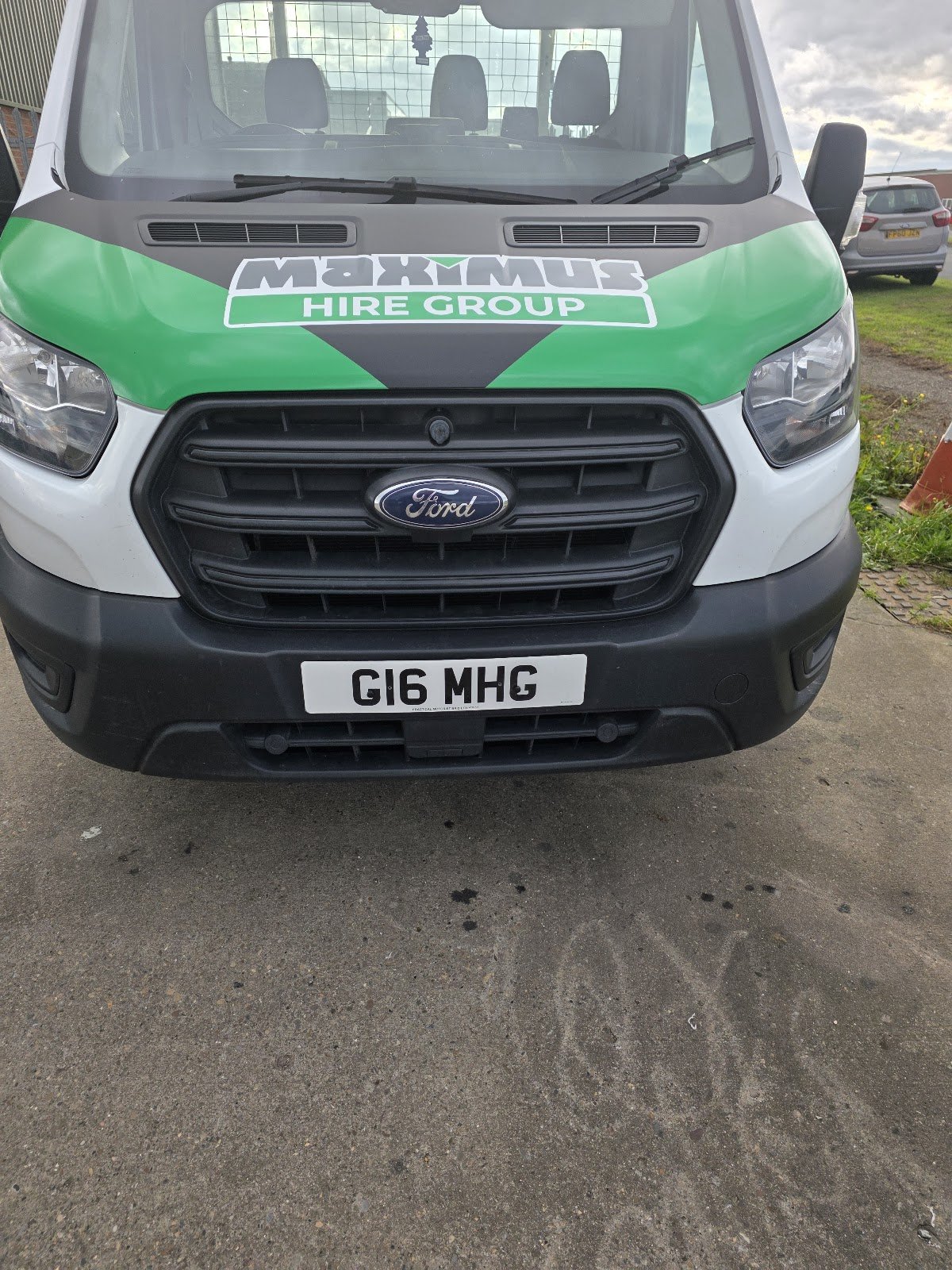
Maximus Hire Group
Professional portable-toilets-standard services in South Yorkshire. Contact for more information.
The Green Toilet Co
Professional portable-toilets-standard services in South Yorkshire. Contact for more information.
Nicholls Loo Hire
Professional portable-toilets-standard services in South Yorkshire. Contact for more information.
Portable Loos
Professional portable-toilets-standard services in South Yorkshire. Contact for more information.
Why Portable Toilet Hire is in Demand in South Yorkshire
South Yorkshire's five verified portable toilet hire suppliers provide comprehensive coverage across the metropolitan county's four boroughs—Sheffield, Doncaster, Rotherham, and Barnsley. The region's compact 600 square miles and excellent motorway connectivity (M1, M18, A1(M)) enable efficient service delivery from supplier depots in Sheffield and Doncaster. Understanding South Yorkshire's geographic characteristics, major venues, typical applications, and seasonal demand patterns helps businesses and event organizers plan effective sanitation provision across urban regeneration projects, heritage estates, industrial developments, and community celebrations throughout the metropolitan county.
Portable Toilet Hire Prices in South Yorkshire
All prices include delivery, weekly servicing, and collection. No hidden fees.
South Yorkshire vs National Pricing
Portable toilet hire costs in South Yorkshire reflect the region's compact metropolitan geography, strong motorway connectivity, and competitive supplier market. Standard weekly rates align with Yorkshire regional averages at £60-75, with pricing influenced by delivery distance from supplier depots (Sheffield, Doncaster), equipment type, servicing frequency, and seasonal demand fluctuations. Understanding cost components helps businesses and event organizers budget accurately while ensuring HSE compliance and guest comfort across South Yorkshire's diverse construction sites, corporate events, and outdoor festivals.
Factors Affecting Local Pricing
How Many Portable Toilets Do You Need for Your South Yorkshire Event or Site?
Event Calculator (4-hour events)
Standard Ratio: 1 toilet per 75 guests
No alcohol served. Increase to 1:60 if serving drinks.
| Guest Count | No Alcohol | With Alcohol | 8+ Hours |
|---|---|---|---|
| 50 people | 1 unit | 1 unit | 1-2 units |
| 100 people | 2 units | 2-3 units | 3 units |
| 150 people | 2 units | 3 units | 3-4 units |
| 200 people | 3 units | 4 units | 4-5 units |
| 300 people | 4 units | 5 units | 6 units |
Luxury Wedding Calculator
Recommendation: Luxury toilet trailers provide a better guest experience at premium venues. They include multiple stalls, running water, climate control, and elegant finishes.
| Guest Count | Recommended Setup | Stalls |
|---|---|---|
| 80-100 guests | 1 luxury trailer | 2-3 stalls |
| 120-150 guests | 1 large luxury trailer OR 2 smaller units | 4-5 stalls total |
| 150-200 guests | 2 luxury trailers | 6-8 stalls total |
| 200+ guests | Contact suppliers for bespoke setup | Custom configuration |
Construction Site Requirements (UK HSE)
Legal Requirement: 1 toilet per 7 workers
Must be within 10 minutes walking distance. Mixed-gender sites (20+ workers) need separate facilities.
| Workers on Site | Required Units | Example Project |
|---|---|---|
| 10 workers | 2 units minimum | House renovation |
| 20 workers | 3 units | Commercial site |
| 35 workers | 5 units | Development project |
| 50+ workers | 7+ units | Large construction |
✓ Disabled Access: At least 1 disabled-access unit required regardless of workforce size. 10% of total units should be accessible.
Types of Portable Toilets Available in South Yorkshire
Standard Portable Toilets
£60-70/week
Best for: Construction sites, festivals, outdoor events, budget projects
- Self-contained chemical toilet
- Hand sanitizer & toilet paper
- No power/water connection needed
- Weekly servicing included
Luxury Toilet Trailers
£400-600/weekend
Best for: Weddings, corporate events, high-end functions, VIP areas
- 2-5 stalls with flushing toilets
- Climate control (heating/AC)
- Premium finishes & mirrors
- Running hot water
Disabled Access Units
£70-85/week
Best for: Legal compliance, accessible events, inclusive construction sites
- Wheelchair accessible entrance
- Spacious interior with turning circle
- Grab rails & emergency alarm
- Baby changing facilities
Welfare/Site Units
£65-80/week
Best for: Construction sites, long-term projects, CDM compliance
- Toilet & wash basin
- Hot & cold running water
- Heating (winter models)
- Meets CDM 2015 requirements
Quick Comparison
| Type | Price | Key Features | Best For |
|---|---|---|---|
| Standard | £60-70/wk | Basic, no power needed | Events, construction |
| Luxury | £400-600/wknd | Climate control, premium | Weddings, corporate |
| Disabled | £70-85/wk | Wheelchair accessible | All events (required) |
| Welfare | £65-80/wk | Hot water, basin, CDM | Construction sites |
Portable Toilet Hire Costs in South Yorkshire (2025 Pricing)
2025 South Yorkshire Pricing
| Unit Type | Weekly Rate | Weekend Rate | Delivery |
|---|---|---|---|
| Standard | £60-70 | - | £70-85 |
| Luxury Trailer | - | £400-600 | Included |
| Disabled Access | £70-85 | - | £70-85 |
| Welfare/Site | £65-80 | - | £70-85 |
Weekly Hire Includes
- Delivery to your South Yorkshire location
- Professional installation and setup
- Weekly service (emptying, cleaning, restocking)
- Toilet paper and hand sanitizer
- Collection at end of hire period
- Licensed waste disposal
Weekend Luxury Includes
- Friday delivery and setup
- Pre-event deep clean
- Premium consumables (soap, towels, air freshener)
- Monday morning collection
- Mid-event servicing (150+ guests, often complimentary)
Extra Costs to Watch For
Not always included - confirm with South Yorkshire suppliers:
Weekend/Evening Delivery
£30-50
Same-Day Emergency
£50-80
Additional Servicing
£40-60/visit
Generator Hire
£60-100/day
Ground Protection Boards
£20-40
Remote Location Surcharge
£15-30
South Yorkshire-Specific Pricing Factors
How South Yorkshire Compares
National Average
£55-70
/week
South Yorkshire Average
£60-70
/week (9-14% above national)
Central London
£75-90
/week (25% more than South Yorkshire)
Choosing a Portable Toilet Hire Supplier in South Yorkshire
Essential Supplier Checks
Valid Waste Carrier License
All suppliers must be Environment Agency registered. Ask for registration number.
Public Liability Insurance
Minimum £5M coverage required. Request certificate copy.
South Yorkshire Coverage Confirmation
Verify they regularly deliver to your specific town or area.
Fleet Condition Evidence
Request recent photos of actual units, not stock images.
Transparent Pricing
Detailed written quotes showing all costs, no vague "from £X" pricing.
Customer Reviews
4+ star average with 10+ reviews minimum. Check Google & Trustpilot.
Red Flags to Avoid
❌ No waste carrier license provided
❌ Significantly cheaper than other quotes
❌ Only mobile phone, no business address
❌ Stock photos only, won't show actual units
❌ Vague about what's included
❌ No written quote or contract
10 Key Questions to Ask
What's your total quote including delivery to [my South Yorkshire town]?
How quickly can you deliver to my location?
What's included in your weekly servicing?
Do you offer same-day emergency delivery in South Yorkshire?
Have you worked at [specific venue/site type] before?
What happens if a unit is damaged or blocked during hire?
Can I see photos of your actual units (not stock images)?
What are your payment terms?
Do you offer discounts for multiple units or long-term hire?
Are you licensed and insured? (ask for proof)
Portable Toilet Hire Coverage Across South Yorkshire Towns and Districts
Getting Quotes from South Yorkshire Portable Toilet Hire Suppliers
How to Get Quotes in 6 Easy Steps
Calculate How Many
Use our calculator above to determine how many toilets you need based on guest count or workers.
Choose Type
Decide between standard, luxury, disabled access, or welfare units based on your needs.
Prepare Information
Gather: South Yorkshire location, dates, event type, guest/worker count, access details, special requirements.
Request Quotes
Contact 3-5 South Yorkshire suppliers from our directory below. Submit one request to get multiple quotes.
Compare Quotes
Compare total price, what's included, delivery times, reviews, and emergency support.
Book & Confirm
Select your supplier, confirm delivery details, arrange payment, and receive confirmation.
Information to Provide for Accurate Quotes
Location Details
- • Specific South Yorkshire town/village
- • Venue name (if applicable)
- • Access considerations
Hire Requirements
- • Type & quantity needed
- • Hire dates or duration
- • Delivery/collection times
Event/Project Details
- • Event type or site purpose
- • Expected guest/worker count
- • Event duration
Special Requirements
- • Power availability
- • Ground conditions
- • Mid-event servicing needs
How Quickly Can You Get Toilets in South Yorkshire?
1-2 weeks
Standard units (non-peak)
4-6 months
Luxury trailers (wedding season)
2-3 weeks
Construction long-term
2-4 hours
Emergency/urgent delivery
Frequently Asked Questions
Everything you need to know about Portable Toilet Hire in South Yorkshire
01 How much does portable toilet hire cost in South Yorkshire?
Standard portable toilet hire in South Yorkshire typically costs £60-70 per week including delivery within 15-20 miles of supplier depot (Sheffield, Doncaster), weekly servicing, and collection. This pricing aligns with Yorkshire regional averages—neither premium South East rates (£65-80/week) nor discounted North East pricing (£55-70/week)—reflecting South Yorkshire's competitive supplier market and efficient servicing logistics across the county's compact 600 square miles. Accessible toilets meeting Equality Act 2010 standards cost £70-85/week (£10-15 premium for larger dimensions and specialized fittings). Luxury toilet trailers for weddings at Wentworth Woodhouse or corporate events at Sheffield Town Hall range £400-600 per weekend depending on capacity (2-4 cubicles) and specification. Construction welfare units combining toilets, washing facilities, and mess rooms cost £150-200/week for six-person capacity, with heated units for South Yorkshire's winters costing £180-220/week. Long-term construction hire (12+ weeks) often qualifies for discounts (£50-60/week for standard units, £130-170/week for welfare units) beneficial for Sheffield's AMID regeneration projects or Rotherham Enterprise Zone developments. Additional servicing visits cost £35-45 per service—relevant for high-use construction sites or multi-day events. Peak season surcharges (June-September, 10-15% increase) reflect summer festival demand including Tramlines, Doncaster Races, and agricultural shows. Sheffield's hillside locations or remote Doncaster rural venues may incur access supplements (£15-25) where steep gradients or narrow lanes complicate delivery. Event toilet blocks for large gatherings (500-2,000 attendees) cost £800-1,200 per weekend depending on capacity. Distance supplements beyond standard delivery radius typically cost £2-3 per mile, adding £30-50 for rural locations. Total costs vary based on equipment type, hire duration, servicing frequency, and specific site conditions across South Yorkshire's varied urban and rural locations.
02 How many portable toilets do I need for my South Yorkshire construction site?
HSE Construction (Design and Management) Regulations 2015 require one toilet per seven workers on South Yorkshire construction sites, with facilities located within five minutes' walking distance of work areas. A site employing 14 workers needs minimum two toilets; 35 workers require five toilets; larger sites with 70+ workers need ten or more toilets. These ratios apply to peak workforce numbers—if crew sizes fluctuate during project phases, plan for maximum anticipated numbers ensuring compliance throughout all project stages. Large construction sites like Sheffield's AMID developments or Rotherham Enterprise Zone projects may need multiple welfare facilities strategically positioned ensuring the five-minute walking distance requirement is met across expansive site areas. Construction welfare units combining toilets, washing facilities, and mess rooms typically serve 6-8 workers per unit, so a 30-person site would need approximately four welfare units to meet both toilet ratios and welfare provisions. Gender-specific facilities are required when both male and female workers are employed—either separate units for each gender or larger welfare units with segregated facilities. Accessible toilets should represent approximately 10% of provision supporting inclusive employment practices, though this isn't a strict legal requirement for construction sites (unlike public events where Equality Act 2010 mandates accessibility). South Yorkshire's varied construction sector—from Sheffield's hillside residential developments to Doncaster's flat logistics parks—may need different equipment types: hillside sites might require more facilities to meet walking distance requirements due to vertical separation between work areas; sites with dirty trades (groundworks, demolition) benefit from enhanced washing facilities and drying rooms. Projects exceeding three months duration should consider long-term hire arrangements (discounted rates available at 12+ weeks) rather than sequential short-term bookings. Winter construction in South Yorkshire requires heated welfare units (£180-220/week) maintaining comfortable temperatures during cold weather—particularly important for exposed sites in Pennine foothills or open locations where wind chill affects worker welfare. Sites without mains water and electricity need self-contained welfare units with adequate tank capacities: fresh water tanks (400-600 litres typically lasting 3-5 days for six workers) and waste tanks requiring weekly emptying. HSE enforcement officers can inspect South Yorkshire construction sites at any time—maintaining correct toilet ratios, cleanliness standards, and documentation demonstrating welfare provision is essential for regulatory compliance and avoiding improvement notices or prosecution for serious breaches.
03 How many portable toilets are needed for events in South Yorkshire?
Event portable toilet requirements in South Yorkshire depend on attendance, duration, and event type. Wedding receptions and corporate events typically need one toilet per 50-75 guests for 4-hour events, increasing to one per 35-50 guests for full-day (8-hour) occasions. A 150-guest wedding at Wentworth Woodhouse would need 3-4 toilets for an evening reception, or 4-6 for a full-day celebration. Outdoor music festivals require higher ratios: one toilet per 100 attendees for single-day events, increasing to one per 75 for multi-day festivals accounting for extended on-site presence. Tramlines Festival's 30,000+ attendance would theoretically need 300-400 toilets, though large festivals deploy comprehensive toilet blocks and enhanced servicing rather than individual units. Agricultural shows and community events typically provide one toilet per 150-200 attendees for general public areas, with VIP sections receiving enhanced provision (one per 30-50). Licensed premises serving alcohol should increase toilet provision by 20-30% accounting for higher usage frequency—a beer festival at Barnsley's Elsecar Heritage Centre serving 1,000 attendees would need 8-10 toilets rather than basic calculation of 5-7. Events exceeding 500 attendees must provide accessible toilets representing minimum 10% of total provision under Equality Act 2010—a 1,000-person event needs at least two accessible units (realistically 3-4 to ensure adequate capacity during peak use periods). Doncaster Racecourse meetings benefit from 15-20% accessible provision recognizing diverse racing audiences including elderly spectators. Event duration significantly impacts requirements: short events (2-3 hours) allow lower ratios; all-day gatherings (8+ hours) need higher provision as guests remain on-site throughout, increasing cumulative usage. Consider peak usage periods when large proportions of attendees use facilities simultaneously: wedding receptions see peak demand during drinks reception and evening party start (45-60 minutes into each period); concerts peak 30-45 minutes into events as initial beer purchases reach bladder capacity. Food service increases requirements—guests consuming meals and drinks on-site need higher provision than attendance-only events. Children's events need family-friendly facilities with parent-child accommodation. Luxury toilet trailers for high-end South Yorkshire weddings at venues like Tankersley Manor or Sheffield Town Hall typically provide better guest experience than multiple standard units—200-guest premium wedding might choose two 4-cubicle luxury trailers (£1,000-1,200 total) over eight standard units (£480-560 plus poor aesthetics). Multi-day events require daily servicing maintaining hygiene standards: festival toilets with enhanced capacity (350-litre waste tanks vs. 225-litre standard) reduce servicing frequency at remote rural Doncaster locations, but events exceeding 1,000 daily attendees still need on-site servicing crews (£200-300/day) providing continuous maintenance.
04 What's included in portable toilet hire prices in South Yorkshire?
Standard portable toilet hire prices in South Yorkshire (£60-70/week) typically include delivery within 15-20 miles of supplier depot (Sheffield, Doncaster), placement at your specified location, weekly servicing (waste tank emptying, toilet roll and hand sanitizer replenishment, interior cleaning), and collection at hire period end. This comprehensive pricing model enables straightforward budgeting for most construction sites and events across urban South Yorkshire locations within standard delivery radius. Additional costs may apply for: delivery beyond standard radius (typically £2-3 per additional mile, £30-50 total for rural Doncaster locations or Peak District fringe sites near Sheffield), extra servicing visits mid-week (£35-45 per service for high-use construction sites or multi-day events), access supplements for challenging locations (£15-25 for Sheffield's steep hillside sites, narrow gateways, or soft ground requiring temporary trackway), peak season surcharges during summer event season June-September (10-15% increase), damage waiver insurance (£5-8/week recommended for unsupervised sites or public events), and specialist positioning requirements (ground protection for heritage venue lawns, out-of-hours delivery for trading commercial sites). Construction welfare unit pricing (£150-200/week) includes delivery, installation (connections to mains water and electricity where available, or setup of self-contained tank systems), weekly servicing (waste removal, fresh water refilling, consumable replenishment, cleaning), and collection. Sites requiring generators for off-grid welfare units pay additional £50-80/week for generator hire unless supplier includes this in package pricing. Heated welfare units for South Yorkshire's winter construction season cost £180-220/week with heating typically included in this rate. Luxury toilet trailer weekend hire (£400-600) includes Friday delivery, setup (mains connections or onboard tank and generator systems), Monday collection, and end-of-event cleaning. Mid-event servicing for weddings or corporate events exceeding 200 guests costs £80-100 additional. Attendant services providing continuous monitoring, cleaning, and consumable management during premium events cost £120-150 per occasion. Event toilet blocks (£800-1,200/weekend) include delivery, setup, collection, but may require separate generator hire (£200-300/weekend for 10-15kVA units) unless mains electricity is available. On-site servicing crews for large festivals cost £200-300 per day including labor and tanker operations. Always request itemized quotations from South Yorkshire suppliers showing exactly what's included in base pricing versus additional charges—this transparency enables accurate comparison between suppliers and realistic budget planning. Professional suppliers provide written quotes detailing all costs, terms, and service specifications before you commit to booking.
05 How far in advance should I book portable toilets in South Yorkshire?
Booking timelines for South Yorkshire portable toilet hire depend on event size, season, and equipment type. Major summer events (June-September) during peak festival season require 8-12 weeks advance booking ensuring equipment availability—particularly for Tramlines Festival dates, popular wedding weekends at venues like Wentworth Woodhouse or Tankersley Manor, Doncaster Racecourse meetings, and large agricultural shows. Luxury toilet trailers for prestigious weddings have limited fleet availability across South Yorkshire's five suppliers—book 10-12 weeks ahead for popular summer Saturdays avoiding disappointment or being forced to accept lower-quality alternatives. Event toilet blocks for large gatherings (500+ attendees) similarly need advance booking during peak season when multiple events compete for limited equipment. Standard portable toilet hire for smaller South Yorkshire events or construction sites can usually be arranged 3-4 weeks ahead during summer, 1-2 weeks during quieter periods (October-April), though advance booking remains advisable avoiding availability issues. Winter construction projects (November-March) typically face better availability as event demand drops, but heated welfare units required for cold weather may be limited—book 3-4 weeks ahead ensuring heated units rather than standard equipment. Long-term construction hire for Sheffield's AMID projects, Rotherham Enterprise Zone developments, or Doncaster logistics construction can be arranged with shorter lead times (2-3 weeks) as suppliers can plan equipment allocation and servicing routes, but earlier booking enables better rate negotiation and ensures preferred specifications. Last-minute bookings (within one week) are sometimes possible during off-peak periods or for standard equipment, but may incur premium pricing (10-20% surcharge) reflecting suppliers' difficulty incorporating urgent requests into planned delivery routes and servicing schedules. Emergency same-day or next-day provision is occasionally available for genuine emergencies (equipment failure at events, unexpected construction site compliance issues) but costs significantly more than planned bookings and cannot be guaranteed. South Yorkshire's compact geography and good supplier coverage improves last-minute availability compared to remote rural regions, but advance planning remains recommended. If your South Yorkshire event or project has flexible timing, booking during quieter periods (weekdays for events typically Saturday-focused, October-April for seasonal events) improves availability and may qualify for lower rates outside peak demand. Construction projects with uncertain start dates should communicate likely timescales to suppliers—professional companies maintain provisional bookings (subject to confirmed dates) for reliable construction customers, though this goodwill depends on established relationships rather than first-time customers. For events with high profile or serious consequences if sanitation fails (Sheffield Town Hall civic functions, Doncaster Racecourse corporate hospitality, large public festivals), book extra capacity (10-15% beyond calculated requirements) and confirm backup arrangements with suppliers ensuring emergency equipment availability if problems occur.
06 Do portable toilet suppliers serve all areas of South Yorkshire?
South Yorkshire's five verified portable toilet suppliers provide comprehensive coverage across the metropolitan county's four boroughs (Sheffield, Doncaster, Rotherham, Barnsley) and surrounding rural areas. Sheffield-based suppliers typically focus on western South Yorkshire including Sheffield, Barnsley, and western Rotherham, with standard delivery radius (15-20 miles from depot) covering these areas within base hire rates (£60-70/week). Doncaster-based companies concentrate on eastern locations including Doncaster borough, eastern Rotherham, and extending into neighboring North Yorkshire and Lincolnshire for rural venues. The county's compact 600 square miles and excellent motorway connectivity (M1, M18, A1(M)) enable most suppliers to deliver anywhere in South Yorkshire, though suppliers may quote distance supplements for locations beyond their standard delivery radius. Sheffield's hillside western suburbs near Peak District fringe (Bradfield, Loxley Valley, Rivelin Valley) receive service from Sheffield suppliers familiar with steep access routes and gradient challenges, though may incur access supplements (£15-25) where narrow lanes or steep delivery routes complicate logistics. Rural Doncaster agricultural areas (Rossington, Tickhill, Fishlake) and countryside locations in Rotherham (Maltby, Wickersley) are served by Doncaster-based suppliers accustomed to rural delivery logistics, though soft ground conditions after rainfall may require access assessment before confirming delivery. Barnsley's position between Sheffield (12 miles south) and Leeds (20 miles north) means the borough receives service from Sheffield-based suppliers within standard delivery zones, though western Barnsley villages near Pennine fringe may face similar access considerations as Sheffield's Peak District locations. Rotherham's central position enables service from both Sheffield-based and Doncaster-based suppliers, creating competitive conditions beneficial for construction firms and event organizers comparing quotes. Urban construction sites in town/city centers (Sheffield, Doncaster, Rotherham, Barnsley) present different challenges than rural locations—pedestrianized areas require coordinated delivery during permitted hours, constrained sites need precise positioning within tight spaces, and ongoing commercial operations demand minimal disruption. Suppliers experienced with South Yorkshire urban sites understand these requirements and factor them into quotations and delivery planning. Major venues like Wentworth Woodhouse (actually in Rotherham borough despite Sheffield postal address), Sheffield Town Hall, Doncaster Racecourse, and popular wedding venues are well-known to established suppliers who maintain detailed knowledge of access routes, positioning options, utility connections, and venue management contacts. Remote or unusual locations benefit from direct supplier communication during quotation: describe access route, provide photographs of gateway widths and proposed equipment positions, and discuss any known challenges enabling suppliers to assess feasibility and provide accurate pricing. South Yorkshire's relatively developed infrastructure and concentrated population means even rural locations are generally accessible, contrasting with genuinely remote regions (Scottish Highlands, Welsh mountains) where portable toilet provision can be extremely challenging. The county's five suppliers maintain adequate combined fleet capacity for normal demand levels, though peak summer season (June-September) when multiple large events coincide (Tramlines Festival, Doncaster Races meetings, numerous weddings, agricultural shows) can strain availability—advance booking (8-12 weeks) is essential during these periods regardless of location within South Yorkshire.
07 What happens if portable toilets aren't serviced properly in South Yorkshire?
Inadequate portable toilet servicing at South Yorkshire construction sites or events creates health hazards, regulatory non-compliance, and reputational damage requiring immediate resolution. Construction sites: HSE welfare requirements under CDM Regulations 2015 mandate clean, functional toilet facilities—unserviced units with overflowing waste tanks, depleted consumables (toilet paper, hand sanitizer), or unhygienic conditions constitute welfare provision failures potentially resulting in improvement notices, prohibition notices for serious breaches, or prosecution for flagrant violations. HSE enforcement officers conducting South Yorkshire construction site inspections check welfare facilities among other safety aspects; documented complaints about toilet conditions trigger investigations potentially leading to formal enforcement action. Workers have the right to refuse work in unsafe conditions—seriously inadequate welfare facilities may justify work refusal until facilities meet acceptable standards, disrupting construction schedules and causing financial losses for contractors. Professional construction firms maintain direct supplier contacts and document servicing schedules demonstrating welfare compliance—if supplier fails to service as contracted, immediate escalation to supplier management and photographic documentation of facility conditions protect the contractor's position while demanding urgent remedial action. Events: Poor toilet servicing at South Yorkshire public events damages guest experience, creates health risks, and generates negative publicity affecting venue and organizer reputations. Wedding guests at Wentworth Woodhouse or Tankersley Manor discovering overflowing, unsanitary portable toilets will associate the poor experience with the celebration (and potentially the venue) regardless of whether supplier failure caused the problem—event organizers must monitor facilities throughout events, particularly during peak usage periods, ensuring contracted servicing standards are maintained. Large events like Tramlines Festival or Doncaster Racecourse meetings require on-site servicing crews (£200-300/day) providing continuous monitoring rather than relying on scheduled servicing visits—serious toilet failures at 1,000+ person events create immediate crises requiring emergency response. Environmental health concerns arise if overflowing waste creates spillage or contamination—South Yorkshire local authorities (Sheffield, Doncaster, Rotherham, Barnsley councils) have environmental health enforcement powers addressing public health hazards at events including inadequate sanitation. Social media amplifies toilet facility failures—guests posting complaints about event sanitation on Twitter, Facebook, or Instagram create negative publicity damaging organizer and venue reputations far beyond the immediate event. Remedial actions for servicing failures: Document the failure photographically with timestamps providing evidence for supplier complaints and potential compensation claims; contact supplier immediately requesting emergency servicing (reputable companies provide 24/7 emergency contacts with 4-6 hour response commitments for genuine emergencies); if supplier cannot respond adequately, contact alternative South Yorkshire suppliers requesting emergency provision (yes, this will cost premium rates, but maintaining event/site function justifies expense); follow up in writing formally complaining about service failure and requesting compensation (partial hire fee refund, waived additional servicing costs); for serious failures causing significant disruption or costs, consider legal advice regarding contractual remedies or negligence claims. Preventing servicing failures: Choose reputable suppliers with established South Yorkshire track records and positive customer reviews; specify servicing schedules explicitly in booking confirmations ensuring mutual understanding; for critical events or high-use construction sites, opt for enhanced servicing frequency (twice-weekly or daily) rather than minimum weekly provision; build contingency into event planning allowing facility checks before guest arrival with time for corrective action if problems identified; maintain supplier emergency contacts accessible throughout hire period enabling rapid response to emerging issues. Professional suppliers rarely fail servicing commitments as their business reputation depends on reliability—serious servicing failures typically indicate either unreliable operators (avoiding such suppliers through credential verification and reference checking) or extreme circumstances (severe weather preventing access, major vehicle breakdowns affecting entire fleet) where communication and contingency planning mitigate impacts.
08 Can portable toilets be delivered to Sheffield's hillside locations?
Yes, portable toilets can be delivered to Sheffield's distinctive hillside locations, though steep gradients and narrow access routes create logistical challenges requiring careful planning and potentially additional costs. Sheffield is famously built on seven hills with dramatic elevation changes—residential developments, construction sites, and event venues across western suburbs (Crookes, Crosspool, Lodge Moor, Ecclesall) and southern areas (Dore, Totley) often occupy steep hillside plots with access roads designed for residential traffic rather than commercial delivery vehicles. Suppliers experienced with Sheffield's topography understand these challenges and assess access feasibility during quotation. Key considerations: Gradient restrictions—loaded delivery trucks (3.5-tonne for standard portable toilets, 7.5-tonne for welfare units, larger for luxury trailers and event blocks) may struggle on gradients exceeding 1:8 (12.5%) particularly in wet or icy conditions; extremely steep Sheffield streets (some residential roads exceed 1:5 or 20%) may be impassable for loaded commercial vehicles requiring alternative delivery arrangements. Access road width—Victorian-era terraced streets common in Sheffield's hillside neighborhoods (like those around Meersbrook, Nether Edge, Broomhill) were designed for horse-drawn vehicles with typical widths of 3-4m; modern delivery trucks need 2.5m width with additional clearance for mirrors and maneuvering; narrow gateways or sharp corners may prevent access to optimal equipment positioning locations. Turning space—delivery vehicles need adequate space to reverse, turn, or maneuver for positioning units and enabling future servicing access; constrained hillside plots with limited turning circles may restrict equipment placement to locations accessible via straight reversing from public highway. Ground stability—sloping sites require level positioning for portable toilet stability; units placed on slopes risk tipping, especially when loaded with waste; suppliers may need to provide leveling blocks or temporary platforms (additional £20-40) ensuring stable placement on hillside gradients. Sheffield suppliers familiar with these challenges often conduct pre-delivery site visits for complex hillside locations, assessing access routes, measuring gateway widths, evaluating positioning options, and identifying any requirements for additional equipment (leveling blocks, shorter delivery vehicles for restricted access, manual positioning for locations inaccessible to trucks). Access supplements (£15-25) commonly apply to challenging Sheffield hillside deliveries reflecting extra time, smaller vehicles needed, or manual handling required. Extreme cases—genuinely inaccessible locations where steep gradients, narrow gateways, or weight-restricted routes prevent vehicle delivery—may require alternative solutions: smaller capacity units deliverable by smaller vehicles, manual carrying from nearest vehicle access point (expensive, labor-intensive, only practical for standard units not welfare facilities or luxury trailers), or reconsidering equipment positioning accepting less convenient location if accessible. Peak District fringe locations west of Sheffield present additional considerations: while gradients may be less severe than inner urban hillsides, rural lanes can be narrow with passing difficulties, weight restrictions on historic bridges, and soft verges providing inadequate turning space for commercial vehicles. Communicate site conditions thoroughly during quotation: 'Sheffield hillside location' means different things for Crookes suburb (challenging but generally accessible) versus remote Loxley Valley property (potentially very difficult access)—provide specific addresses, describe access routes, share photographs of gateways and proposed equipment positions enabling suppliers to assess realistically and quote appropriately. Professional suppliers familiar with Sheffield's geography maintain relationships with local customers and build knowledge of particularly challenging locations over time—established Sheffield-based suppliers often have better intelligence on specific street access than distant suppliers unfamiliar with the city's unique topography. Winter weather exacerbates access challenges: Sheffield's hillside streets become treacherous in icy conditions; suppliers may decline delivery during severe weather or insist on postponement until conditions improve ensuring safety for drivers and preventing vehicle accidents on steep icy roads. Plan contingency for weather-dependent delivery if hiring during Sheffield's winter months (November-March).
09 Are heated welfare units necessary for South Yorkshire construction sites in winter?
Heated welfare units are strongly recommended for South Yorkshire construction sites during winter months (November-March) to maintain HSE regulatory compliance, worker welfare, and site productivity despite cold weather conditions. While basic portable toilets can function in winter cold, construction welfare facilities combining toilets, washing facilities, and mess areas require heating to fulfill their regulatory purpose—HSE Construction (Design and Management) Regulations 2015 require provision of facilities enabling workers to warm up, dry wet clothing, and take breaks in reasonable comfort. South Yorkshire experiences typical northern England winters with average January temperatures of 2-4°C, frequent sub-zero nighttime temperatures, persistent dampness, and occasional severe cold snaps dropping below -5°C. Unheated welfare units in these conditions fail to provide the intended welfare function: washing facilities freeze rendering them unusable and creating potential burst pipe damage; wet weather clothing cannot dry adequately in cold air leaving workers damp and uncomfortable throughout shifts; mess areas at ambient temperature provide no respite from outdoor cold particularly during extended breaks or lunch periods; workers avoid using cold facilities preferring to remain in vehicles or leave site entirely, undermining welfare provision purpose. Heated units (£180-220/week, £30-50 premium over standard £150-200/week) maintain comfortable internal temperatures (typically 15-18°C) through diesel or electric heating systems ensuring: frozen pipes are prevented maintaining washing facility functionality throughout cold weather; effective drying space for wet weather clothing—essential in South Yorkshire's damp climate where rain and mud are common site conditions; comfortable mess area encouraging workers to take proper breaks rather than remaining cold throughout shifts potentially affecting safety focus; regulatory compliance with HSE welfare requirements—inspectors assessing winter site welfare will check heating provision and functionality. South Yorkshire's construction sector geography influences heating needs: exposed sites in Pennine foothills west of Sheffield or western Barnsley experience harsher conditions than sheltered urban locations in Doncaster or Rotherham town centers—but even urban sites benefit from heating during prolonged cold periods. Large construction projects (Sheffield's AMID regeneration, Rotherham Enterprise Zone developments) operating throughout winter months should budget for heated welfare units from October through March—approximately 20-24 weeks at heated unit rates (£180-220/week = £4,320-5,280 vs. £3,600-4,800 for unheated)—the £720-480 additional cost represents modest investment in worker welfare and productivity. Smaller projects or those operating intermittently during winter may accept standard unheated units with supplementary electric heaters (if site electricity available) or accept reduced welfare functionality during short-duration winter works. Alternative heating approaches include: connection to site electricity supplying electric heaters (requires adequate power capacity, often not available early in construction programs); provision of temporary generators dedicated to welfare unit heating (£50-80/week generator hire plus fuel costs, typically £15-25/week for diesel)—this approach offers flexibility but similar total cost to integrated heated units with additional complexity; accepting unheated welfare with robust thermos flasks for hot drinks and reliance on workers' own warm clothing—inadequate for sites with wet or dirty work where changing facilities and drying space are essential. Consider workers' perspective: construction workers exposed to South Yorkshire winter weather deserve basic comfort during breaks—heated welfare facilities improve morale, demonstrate employer care for workforce wellbeing, and support recruitment and retention in competitive labor markets where workers choose employers based partly on site conditions provided. Regulatory perspective: while HSE doesn't specify exact temperature requirements for construction welfare facilities, the general duty to provide 'suitable and sufficient' welfare facilities implies heating when ambient conditions prevent reasonable comfort—HSE inspectors assessing South Yorkshire winter sites will question absence of heated facilities particularly on long-duration projects where substantial workforces depend on welfare provision. Insurance and equipment protection: water-based systems in welfare units (washing facilities, waste flush systems in premium units) risk freeze damage in unheated winter storage or use—heated units prevent this damage protecting equipment and avoiding service disruptions from burst pipes or frozen fixtures. Professional contractors operating winter construction sites across South Yorkshire routinely specify heated welfare units as standard practice—the modest cost premium proves worthwhile through improved compliance, worker welfare, and operational reliability throughout cold weather months.
10 What portable toilet types are best for Doncaster Racecourse events?
Doncaster Racecourse events require diverse portable toilet provision reflecting varied attendee types, event scales, and hospitality standards across Britain's oldest racecourse (established 1614). Major race meetings like the St Leger Stakes (Britain's oldest Classic, September, attracting 10,000-15,000 spectators) need comprehensive sanitation combining standard portable toilets for general admission, accessible units meeting Equality Act requirements for diverse racing audiences, luxury toilet trailers for corporate hospitality and VIP areas, and potentially event toilet blocks for high-capacity provision at strategic locations. General admission areas: Standard portable toilets positioned throughout public viewing areas, betting rings, and food courts at ratios of approximately one toilet per 100-150 attendees—a 12,000-person race meeting would need 80-120 standard units distributed across the 500-acre site ensuring maximum walking distance of 150-200m from any public area to nearest facilities. Doncaster's flat racecourse terrain enables straightforward equipment positioning unlike Sheffield's hillside venues, but scale of site creates logistical complexity requiring phased delivery over 2-3 days pre-event. Accessible provision: Racing attracts diverse audiences including elderly enthusiasts and disabled spectators—provide 15-20% accessible toilets (vs. minimum 10% legally required) ensuring adequate capacity during peak periods when general admission queues form, disabled users require facilities, and family groups with pushchairs need extra space. For 100 total public toilets, specify 15-20 accessible units distributed throughout site not concentrated in single location. Corporate hospitality & VIP areas: Premium racecourse hospitality (private boxes, champagne marquees, premium restaurant facilities) requires luxury toilet trailers maintaining standards appropriate for high-paying guests dressed in formal attire. Two to four-cubicle luxury trailers (£400-600/weekend each) positioned adjacent to premium areas provide porcelain flushing toilets, climate control, quality lighting, and finishes appropriate for £200-500 per-person hospitality packages. Major meetings may need 4-6 luxury trailers supporting various premium areas across the racecourse. Event toilet blocks: High-capacity toilet blocks (8-12 cubicles, £800-1,200/weekend) efficiently serve concentrated attendance areas like main grandstands, parade ring viewing areas, or popular food court zones—single 12-cubicle block serves 1,000-1,500 attendees versus 10-15 individual portable toilets occupying more space and creating multiple service points. Blocks require adequate infrastructure: mains water connection from racecourse facilities or large tanked systems (500-1,000 litres), mains electricity or generator provision (minimum 10kVA), and level firm ground for stable placement. Servicing requirements: Race meetings create concentrated usage over 4-8 hour periods rather than multi-day festivals—schedule pre-event servicing ensuring all units clean and fully stocked for gates opening; position on-site servicing crew (£200-300/day including labor and tanker) during event ready to respond to overfills or urgent issues; conduct post-racing servicing before equipment collection. Peak usage occurs 30-45 minutes after major races when substantial proportions of attendees use facilities simultaneously following 90-minute race intervals—ensure adequate provision preventing long queues frustrating guests. Seasonal considerations: Doncaster's racing season runs March-November with major meetings concentrated April-September—advance booking (8-12 weeks) essential for St Leger Stakes and other premier fixtures when equipment demand peaks. Winter jump racing (November-March) faces typical South Yorkshire cold weather—heated luxury trailers maintain VIP guest comfort during cold conditions. Racecourse relationship management: Doncaster Racecourse management coordinates multiple service providers (caterers, security, waste management, portable toilet suppliers) requiring professional communication, adherence to racecourse access protocols, coordination with other contractors, and understanding of racecourse operational requirements. Suppliers experienced with Doncaster Racecourse events understand delivery routes, positioning protocols, utility connection points, and racecourse management expectations—established relationships facilitate smooth delivery and operation. Budget planning: Comprehensive racecourse toilet provision is substantial: 100 standard units (£6,000-7,000/weekend), 20 accessible units (£1,400-1,700/weekend), 4-6 luxury trailers (£1,600-3,600/weekend), 2-3 event blocks (£1,600-3,600/weekend), on-site servicing crew (£200-300/day), delivery/collection logistics = approximately £11,000-16,000 total sanitation cost for major 12,000-person race meeting. Scale this based on specific event attendance and hospitality configurations. Professional event management companies organizing racecourse hospitality typically include comprehensive toilet provision in package pricing ensuring seamless guest experience rather than economizing on sanitation creating poor impressions affecting premium-paying customers.
11 How do I get portable toilet hire quotes in South Yorkshire?
Obtaining portable toilet hire quotes for South Yorkshire construction sites and events involves several approaches ensuring competitive pricing and appropriate equipment specification. Direct supplier contact: Identify South Yorkshire portable toilet suppliers through online search, trade directories, or recommendations from construction colleagues or event venue managers—the region has five verified suppliers based primarily in Sheffield and Doncaster. Contact suppliers directly via website inquiry forms, email, or telephone providing comprehensive details: exact location (full address or precise venue name like 'Wentworth Woodhouse, Wentworth, Rotherham S62 7TQ'), required equipment types (standard portable toilets, accessible units, luxury trailers, construction welfare units), quantities needed, hire duration (specific dates for events; start date and estimated duration for construction projects), any special requirements (heated units for winter construction, enhanced servicing for high-use sites, ground protection for heritage venue lawns). Request written quotations (email acceptable) providing documentation for comparison rather than verbal quotes that may lack detail or prove difficult to verify later. Quote comparison services: Our service streamlines quotation by distributing your requirements to relevant South Yorkshire suppliers and collecting comparable responses—complete a single detailed inquiry form and receive multiple quotes enabling like-for-like comparison without contacting each supplier separately. This approach saves time particularly for busy construction managers or event organizers handling multiple simultaneous projects. Trade recommendations: Construction industry contacts operating in South Yorkshire can recommend suppliers they've used successfully—personal recommendations from trusted sources often prove more reliable than anonymous online reviews. Event venues like Wentworth Woodhouse, Sheffield Town Hall, or Doncaster Racecourse maintain preferred supplier lists for portable toilets and other event services—ask venue managers for recommendations when booking event spaces. Information to provide: The more detail you provide requesting quotes, the more accurate supplier pricing will be. Essential information includes: specific South Yorkshire location (delivery distance affects costs—suppliers need precise location not just 'near Sheffield'); equipment type and quantity (2 standard toilets vs. 20 vs. 6-person construction welfare unit vs. luxury 4-cubicle trailer—different equipment, vastly different pricing); hire duration (weekend event hire vs. 4-week construction hire vs. 6-month long-term project—duration significantly affects total costs and availability of discounts); required delivery dates (specific dates for events; approximate start timing for construction); servicing requirements (standard weekly servicing vs. twice-weekly for high-use vs. daily for multi-day events); site conditions affecting delivery (flat firm ground vs. Sheffield hillside vs. soft rural location vs. constrained urban site with access restrictions). Additional helpful details: event attendance numbers (enables suppliers to verify quantities are appropriate), whether accessible units are legally required (events over 500 attendees need minimum 10% accessible provision), any special requirements (generator hire for off-grid sites, ground protection, out-of-hours delivery, premium cleaning standards). Evaluating quotes: Compare total costs not just headline rates—lowest weekly hire rate may include expensive additional charges (delivery supplements, mandatory damage waivers, high additional servicing costs) making apparently cheaper quotes actually more expensive overall. Verify exactly what's included: delivery within what radius? Weekly servicing included or extra? Collection fee separate or included? Any access supplements for your specific location? Request itemized quotations showing all cost components enabling accurate comparison. Check supplier credentials: verify Waste Carrier License, confirm insurance coverage, read customer reviews, request references for similar South Yorkshire projects. Timing for quotations: Request quotes 8-12 weeks before major summer events (June-September) during peak demand, 3-4 weeks for standard construction or smaller events, 1-2 weeks during quieter periods (October-April) when availability is better. Emergency or last-minute quotes (within one week) may incur premium pricing (10-20% surcharge) if suppliers can accommodate at all. Follow-up: Once receiving quotes, ask clarifying questions about any unclear terms, request explanations for significant price variations between suppliers (may indicate different equipment specifications or service levels), and confirm final pricing before committing to bookings. Professional suppliers welcome questions and provide clear answers—reluctance to explain pricing or terms suggests potential problems. Get booking confirmations in writing detailing all agreed terms, costs, equipment specifications, and delivery arrangements before paying deposits.
12 What are the access requirements for portable toilet delivery in South Yorkshire?
Portable toilet delivery across South Yorkshire requires adequate vehicle access, firm ground for equipment placement, and clear communication about site conditions ensuring smooth delivery and servicing throughout hire periods. Vehicle access requirements vary by equipment type: Standard portable toilets typically deliver via 3.5-tonne trucks (similar size to large transit van)—these vehicles need gateway width minimum 2.5m (allowing vehicle width ~2m plus clearance for mirrors), overhead clearance minimum 3m accounting for vehicle height, and firm ground capable of supporting 3.5-tonne vehicle weight. Most South Yorkshire urban streets, construction site access routes, and event venue driveways accommodate 3.5-tonne vehicles without difficulty. Construction welfare units, luxury toilet trailers, and event blocks require larger delivery vehicles—7.5-tonne trucks for welfare units (dimensions approximately 7m × 2.5m × 3m high), articulated trailers for large event blocks (up to 12m × 2.5m × 3.5m high)—these vehicles need wider gateways (minimum 3m accounting for trailer width and towing vehicle), greater overhead clearance (minimum 4m for articulated combinations), and turning space for maneuvering into position. Luxury toilet trailers need access for towing vehicle plus trailer length (combined 8-10m for typical 2-4 cubicle trailer)—narrow driveways or tight corners at venues like historic estates may prevent direct towing to optimal positions requiring alternative placement locations. Sheffield's hillside locations: Steep gradients create specific challenges—loaded delivery vehicles may struggle on slopes exceeding 1:8 (12.5%) particularly in wet conditions when traction reduces; extremely steep Sheffield residential streets (some exceeding 1:5 or 20% gradient) may be impassable for commercial vehicles requiring alternative delivery arrangements or accepting less convenient equipment positions at accessible locations. Victorian-era terraced neighborhoods common across Sheffield's hillside areas (Meersbrook, Broomhill, Nether Edge) feature narrow streets (3-4m typical width) designed for horse-drawn traffic—modern delivery trucks navigating these streets need verification that width, turning circles, and parking restrictions permit access. Ground conditions: Equipment placement requires firm, level ground supporting unit weight (150-250kg for standard portable toilets, 300-400kg for accessible units, 1,500-2,000kg for luxury trailers when full, 2,000-3,000kg for welfare units). Urban construction sites on concrete hardstanding or compacted aggregate provide ideal conditions. Rural event sites on grass require ground assessment—soft ground after rainfall at Doncaster agricultural showgrounds or rural Barnsley venues may become impassable for heavy vehicles requiring temporary trackway installation (£50-100) or postponing delivery until ground firms. Sloping sites need leveling—portable toilets must stand level for stable operation; suppliers may provide leveling blocks (£20-40) for equipment positioned on gradients. Turning space: Delivery vehicles need adequate space to reverse, turn, and position equipment—constrained sites (urban construction between existing buildings, heritage venue courtyards with limited access) may require manual positioning if vehicle cannot reach optimal locations. Discuss maneuvering space during quotation enabling suppliers to assess whether standard delivery vehicle suffices or smaller vehicles/manual handling necessary (typically incurring supplements £20-40 for additional labor). Servicing access: Equipment positioned in locations accessible only during delivery (e.g., areas subsequently obstructed by construction activity, event setup blocking access routes) cannot be serviced—ensure servicing vehicle access remains available throughout hire period or coordinate temporary access clearance during scheduled servicing visits. Vacuum tankers servicing portable toilets are typically 7.5-18 tonne trucks needing similar access to delivery vehicles. Utilities for luxury trailers and welfare units: Luxury toilet trailers need mains water connection (standard garden hose connector sufficient) or adequate onboard tank capacity (200-400 litres lasting 100-150 guests), and mains electricity (standard 13A socket) or generator provision. Construction welfare units similarly need water and power—either mains connections (suppliers can provide specific requirements during quotation) or self-contained tanks and generators. Discuss utility availability during quotation impacting equipment specification and pricing. Site-specific restrictions: Heritage venues may prohibit vehicle access on lawns requiring ground protection or restricting equipment to paved areas; residential areas may limit delivery timing (typically no deliveries before 8am or after 6pm weekdays, restricted weekend hours); construction sites may require delivery coordination with site management, adherence to site induction procedures, or compliance with contractor site rules. Communicate any restrictions during quotation enabling suppliers to plan accordingly. Pre-delivery site assessment: Complex sites benefit from supplier site visits before delivery—Sheffield's hillside construction sites, large rural event venues, heritage locations with restricted access—supplier can assess access routes, measure gateways, evaluate positioning options, and identify any equipment needed (leveling blocks, ground protection, smaller delivery vehicles) ensuring successful first-time delivery. Most suppliers provide this service free for substantial bookings or charge nominal fees (£30-50) for smaller hires requiring site visits. Communicate clearly: When requesting quotes, describe site access honestly—'easy access level car park' versus 'Sheffield hillside location with steep driveway and narrow gateway' enables accurate quotation including any access supplements. Provide photographs of gateways, access routes, and proposed equipment positions eliminating ambiguity. Suppliers appreciate clear communication avoiding wasted journeys when vehicles cannot access sites as expected.
Still have questions?
Get personalized answers from verified South Yorkshire suppliers
Ask a SupplierFind Portable Toilet Hire Suppliers in South Yorkshire
Compare quotes from verified local suppliers and get the best deal
Compare Quotes Now