Portable Toilet Hire Suffolk
Compare quotes from 9 verified suppliers. Transparent pricing, instant quotes, same-day delivery available across Suffolk.
Suffolk's portable toilet hire market serves England's easternmost county, combining coastal resort heritage with agricultural landscapes, market towns rich in medieval character, and growing technology and energy sectors. From major construction projects at Sizewell C nuclear power station (Britain's largest infrastructure project with 10,000+ workers at peak) to prestigious wedding venues like Hengrave Hall and Kentwell Hall, coastal events in Southwold and Aldeburgh, and agricultural shows across Suffolk's 1,466 square miles of predominantly rural countryside, the county's suppliers provide HSE-compliant sanitation solutions for diverse applications. Suffolk's geography ranges from coastal marshland and sandy beaches along the North Sea coast to gently rolling agricultural landscapes in the interior, with three distinct areas influencing portable toilet logistics: East Suffolk (coastal towns including Lowestoft, Southwold, Aldeburgh, Felixstowe port), West Suffolk (market towns Bury St Edmunds, Newmarket, Haverhill), and central Suffolk (county town Ipswich). The county's transport infrastructure—A12/A14 providing main arterial routes, though no motorways within Suffolk itself—means delivery logistics depend on good A-road connections rather than motorway efficiency characteristic of more centrally located counties. Standard portable toilet hire costs £60-75 per week including delivery within 15-20 miles, weekly servicing, and collection—aligned with East of England regional averages reflecting Suffolk's position between higher-cost South East and lower-cost East Midlands. Accessible toilet units meeting Equality Act 2010 standards typically cost £70-85 per week, while luxury trailer units for weddings at Suffolk's prestigious country estates and converted barns range from £400-600 per weekend. Construction site welfare units combining toilets, washing facilities, and mess rooms cost £150-200 per week for six-person capacity—essential for Sizewell C construction, Ipswich waterfront regeneration, and residential developments across expanding market towns. The county's seasonal tourism economy—coastal resorts attracting summer visitors, Latitude Festival at Henham Park (15,000 capacity), Aldeburgh Festival celebrating Benjamin Britten's musical heritage, and numerous agricultural shows—creates peak demand May-September when advance booking (6-8 weeks) is recommended. Winter construction projects continue year-round at Sizewell C and other major sites, with heated welfare units (£180-220/week) maintaining HSE compliance during Suffolk's cold easterly winds from the North Sea. Quote comparison through our service helps businesses and event organizers secure competitive rates while ensuring suppliers understand Suffolk's specific requirements—from coastal access challenges to agricultural event logistics.
5 Verified Suppliers
All suppliers are Environment Agency licensed and customer-reviewed
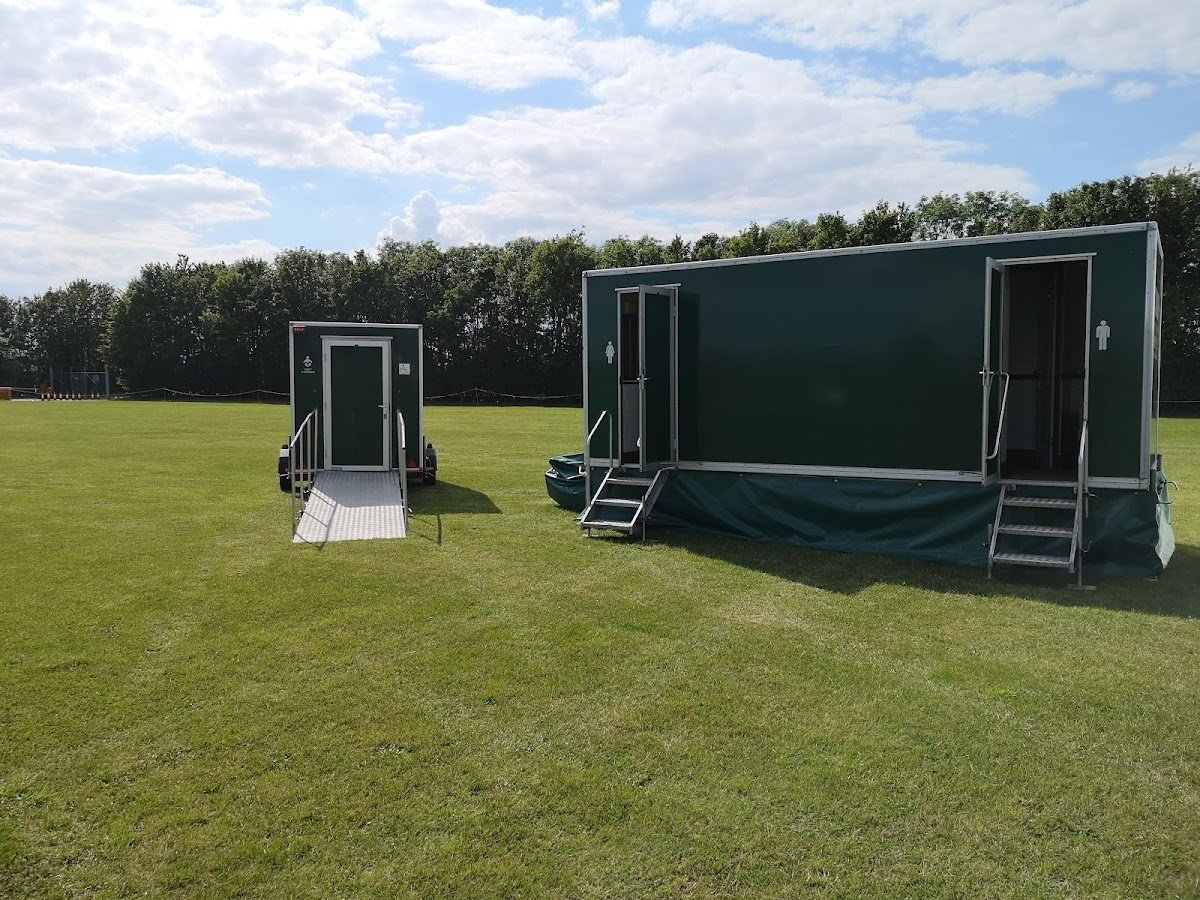
Classical Toilet Hire
Professional portable-toilets-luxury services in Suffolk. Contact for more information.
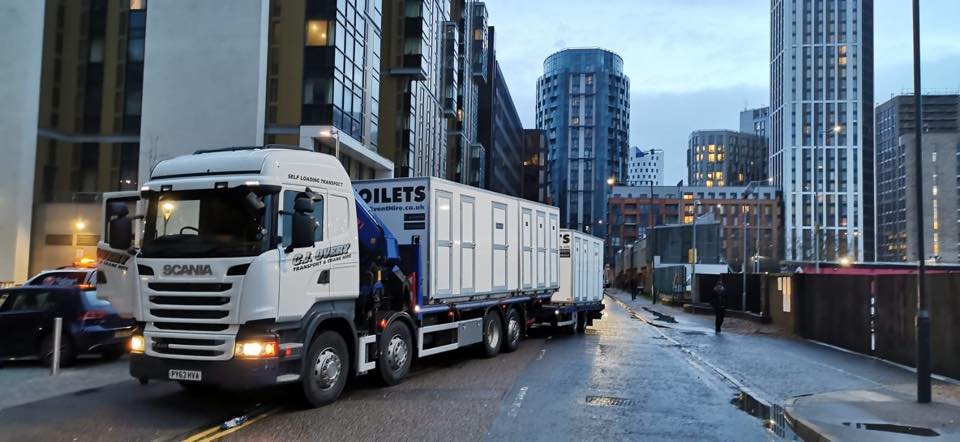
Hallmark Event Hire
Professional portable-toilets-standard services in Suffolk. Contact for more information.

Karzees Ltd
Professional portable-toilets-standard services in Suffolk. Contact for more information.
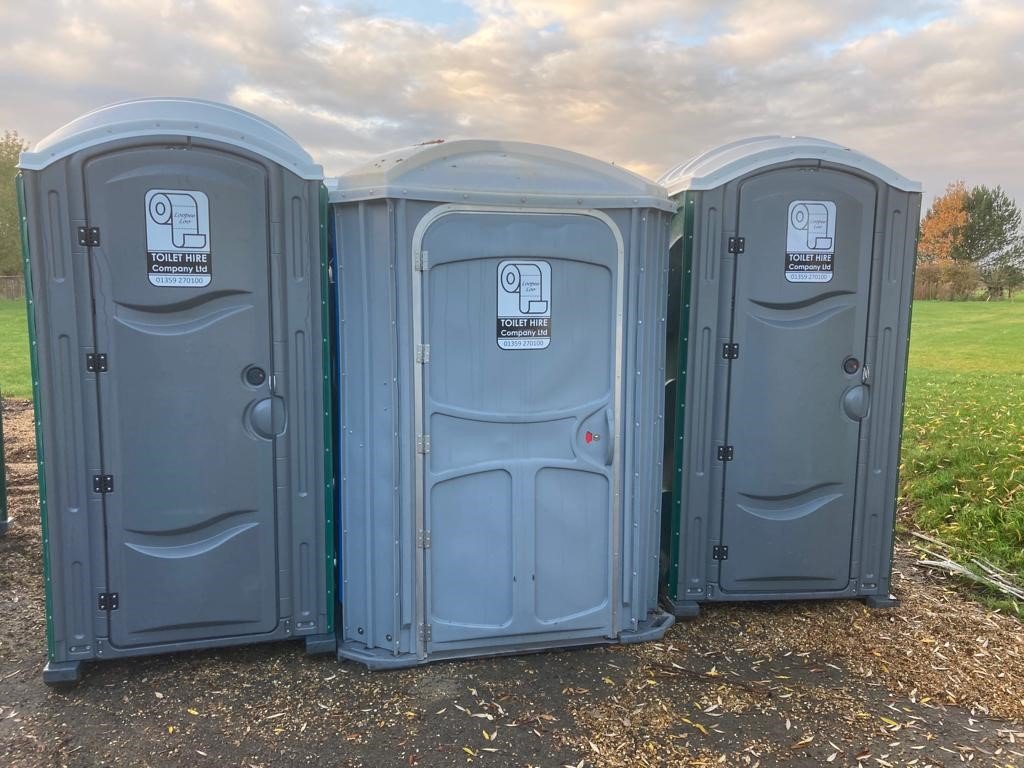
Loopee Loo Portable Toilet Hire
Professional portable-toilets-luxury services in Suffolk. Contact for more information.
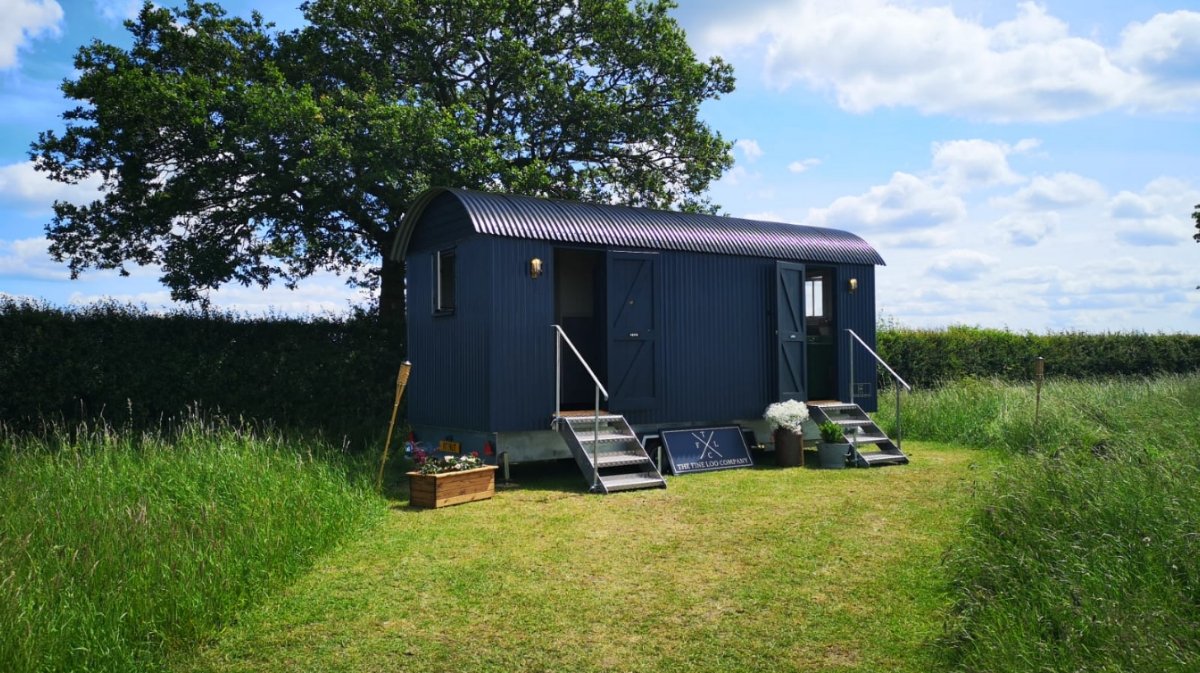
The Fine Loo Company
Professional portable-toilets-luxury services in Suffolk. Contact for more information.
Why Portable Toilet Hire is in Demand in Suffolk
Suffolk's nine verified portable toilet hire suppliers provide coverage across England's easternmost county, encompassing coastal resort towns, agricultural heartlands, historic market towns, and major infrastructure developments. The county's 1,466 square miles divide into distinct geographic areas: East Suffolk (coastal towns and Ipswich), West Suffolk (market towns centered on Bury St Edmunds), and the varied rural agricultural landscapes between. Understanding Suffolk's geographic diversity, transport infrastructure relying on A12/A14 arterial routes, major venues, and seasonal demand patterns helps businesses and event organizers plan effective sanitation provision.
Portable Toilet Hire Prices in Suffolk
All prices include delivery, weekly servicing, and collection. No hidden fees.
Suffolk vs National Pricing
Portable toilet hire costs in Suffolk reflect the county's East of England location, predominantly rural character, and transport infrastructure relying on A-roads rather than motorways. Standard weekly rates align with regional averages at £60-75, with pricing influenced by delivery distance from supplier depots (Ipswich, Bury St Edmunds, Lowestoft areas), equipment type, servicing frequency, and seasonal demand fluctuations driven by coastal tourism and agricultural event calendar. Understanding cost components helps businesses and event organizers budget accurately while ensuring HSE compliance and guest comfort across Suffolk's construction sites, heritage venues, coastal events, and agricultural festivals.
Factors Affecting Local Pricing
How Many Portable Toilets Do You Need for Your Suffolk Event or Site?
Event Calculator (4-hour events)
Standard Ratio: 1 toilet per 75 guests
No alcohol served. Increase to 1:60 if serving drinks.
| Guest Count | No Alcohol | With Alcohol | 8+ Hours |
|---|---|---|---|
| 50 people | 1 unit | 1 unit | 1-2 units |
| 100 people | 2 units | 2-3 units | 3 units |
| 150 people | 2 units | 3 units | 3-4 units |
| 200 people | 3 units | 4 units | 4-5 units |
| 300 people | 4 units | 5 units | 6 units |
Luxury Wedding Calculator
Recommendation: Luxury toilet trailers provide a better guest experience at premium venues. They include multiple stalls, running water, climate control, and elegant finishes.
| Guest Count | Recommended Setup | Stalls |
|---|---|---|
| 80-100 guests | 1 luxury trailer | 2-3 stalls |
| 120-150 guests | 1 large luxury trailer OR 2 smaller units | 4-5 stalls total |
| 150-200 guests | 2 luxury trailers | 6-8 stalls total |
| 200+ guests | Contact suppliers for bespoke setup | Custom configuration |
Construction Site Requirements (UK HSE)
Legal Requirement: 1 toilet per 7 workers
Must be within 10 minutes walking distance. Mixed-gender sites (20+ workers) need separate facilities.
| Workers on Site | Required Units | Example Project |
|---|---|---|
| 10 workers | 2 units minimum | House renovation |
| 20 workers | 3 units | Commercial site |
| 35 workers | 5 units | Development project |
| 50+ workers | 7+ units | Large construction |
✓ Disabled Access: At least 1 disabled-access unit required regardless of workforce size. 10% of total units should be accessible.
Types of Portable Toilets Available in Suffolk
Standard Portable Toilets
£60-70/week
Best for: Construction sites, festivals, outdoor events, budget projects
- Self-contained chemical toilet
- Hand sanitizer & toilet paper
- No power/water connection needed
- Weekly servicing included
Luxury Toilet Trailers
£400-600/weekend
Best for: Weddings, corporate events, high-end functions, VIP areas
- 2-5 stalls with flushing toilets
- Climate control (heating/AC)
- Premium finishes & mirrors
- Running hot water
Disabled Access Units
£70-85/week
Best for: Legal compliance, accessible events, inclusive construction sites
- Wheelchair accessible entrance
- Spacious interior with turning circle
- Grab rails & emergency alarm
- Baby changing facilities
Welfare/Site Units
£65-80/week
Best for: Construction sites, long-term projects, CDM compliance
- Toilet & wash basin
- Hot & cold running water
- Heating (winter models)
- Meets CDM 2015 requirements
Quick Comparison
| Type | Price | Key Features | Best For |
|---|---|---|---|
| Standard | £60-70/wk | Basic, no power needed | Events, construction |
| Luxury | £400-600/wknd | Climate control, premium | Weddings, corporate |
| Disabled | £70-85/wk | Wheelchair accessible | All events (required) |
| Welfare | £65-80/wk | Hot water, basin, CDM | Construction sites |
Portable Toilet Hire Costs in Suffolk (2025 Pricing)
2025 Suffolk Pricing
| Unit Type | Weekly Rate | Weekend Rate | Delivery |
|---|---|---|---|
| Standard | £60-70 | - | £70-85 |
| Luxury Trailer | - | £400-600 | Included |
| Disabled Access | £70-85 | - | £70-85 |
| Welfare/Site | £65-80 | - | £70-85 |
Weekly Hire Includes
- Delivery to your Suffolk location
- Professional installation and setup
- Weekly service (emptying, cleaning, restocking)
- Toilet paper and hand sanitizer
- Collection at end of hire period
- Licensed waste disposal
Weekend Luxury Includes
- Friday delivery and setup
- Pre-event deep clean
- Premium consumables (soap, towels, air freshener)
- Monday morning collection
- Mid-event servicing (150+ guests, often complimentary)
Extra Costs to Watch For
Not always included - confirm with Suffolk suppliers:
Weekend/Evening Delivery
£30-50
Same-Day Emergency
£50-80
Additional Servicing
£40-60/visit
Generator Hire
£60-100/day
Ground Protection Boards
£20-40
Remote Location Surcharge
£15-30
Suffolk-Specific Pricing Factors
How Suffolk Compares
National Average
£55-70
/week
Suffolk Average
£60-70
/week (9-14% above national)
Central London
£75-90
/week (25% more than Suffolk)
Choosing a Portable Toilet Hire Supplier in Suffolk
Essential Supplier Checks
Valid Waste Carrier License
All suppliers must be Environment Agency registered. Ask for registration number.
Public Liability Insurance
Minimum £5M coverage required. Request certificate copy.
Suffolk Coverage Confirmation
Verify they regularly deliver to your specific town or area.
Fleet Condition Evidence
Request recent photos of actual units, not stock images.
Transparent Pricing
Detailed written quotes showing all costs, no vague "from £X" pricing.
Customer Reviews
4+ star average with 10+ reviews minimum. Check Google & Trustpilot.
Red Flags to Avoid
❌ No waste carrier license provided
❌ Significantly cheaper than other quotes
❌ Only mobile phone, no business address
❌ Stock photos only, won't show actual units
❌ Vague about what's included
❌ No written quote or contract
10 Key Questions to Ask
What's your total quote including delivery to [my Suffolk town]?
How quickly can you deliver to my location?
What's included in your weekly servicing?
Do you offer same-day emergency delivery in Suffolk?
Have you worked at [specific venue/site type] before?
What happens if a unit is damaged or blocked during hire?
Can I see photos of your actual units (not stock images)?
What are your payment terms?
Do you offer discounts for multiple units or long-term hire?
Are you licensed and insured? (ask for proof)
Portable Toilet Hire Coverage Across Suffolk Towns and Districts
Getting Quotes from Suffolk Portable Toilet Hire Suppliers
How to Get Quotes in 6 Easy Steps
Calculate How Many
Use our calculator above to determine how many toilets you need based on guest count or workers.
Choose Type
Decide between standard, luxury, disabled access, or welfare units based on your needs.
Prepare Information
Gather: Suffolk location, dates, event type, guest/worker count, access details, special requirements.
Request Quotes
Contact 3-5 Suffolk suppliers from our directory below. Submit one request to get multiple quotes.
Compare Quotes
Compare total price, what's included, delivery times, reviews, and emergency support.
Book & Confirm
Select your supplier, confirm delivery details, arrange payment, and receive confirmation.
Information to Provide for Accurate Quotes
Location Details
- • Specific Suffolk town/village
- • Venue name (if applicable)
- • Access considerations
Hire Requirements
- • Type & quantity needed
- • Hire dates or duration
- • Delivery/collection times
Event/Project Details
- • Event type or site purpose
- • Expected guest/worker count
- • Event duration
Special Requirements
- • Power availability
- • Ground conditions
- • Mid-event servicing needs
How Quickly Can You Get Toilets in Suffolk?
1-2 weeks
Standard units (non-peak)
4-6 months
Luxury trailers (wedding season)
2-3 weeks
Construction long-term
2-4 hours
Emergency/urgent delivery
Frequently Asked Questions
Everything you need to know about Portable Toilet Hire in Suffolk
01 How much does portable toilet hire cost in Suffolk?
Standard portable toilet hire in Suffolk typically costs £60-70 per week including delivery within 15-20 miles of supplier depot (Ipswich, Bury St Edmunds, Lowestoft areas), weekly servicing, and collection. This pricing aligns with East of England regional averages—positioned between higher-cost South East rates (£65-80/week) and lower-cost East Midlands pricing (£58-72/week). Accessible toilets meeting Equality Act 2010 standards cost £70-85/week. Luxury toilet trailers for weddings at Suffolk heritage venues (Hengrave Hall, Kentwell Hall) or coastal celebrations range £400-600 per weekend. Construction welfare units cost £150-200/week for six-person capacity, with heated units for winter coastal exposure costing £180-220/week. Long-term hire for Sizewell C or other extended projects (12+ weeks) qualifies for discounts (£50-60/week standard units, £130-170/week welfare units). Additional servicing visits cost £35-45 per service. Peak season surcharges (May-September, 10-15% increase) reflect coastal tourism, Latitude Festival, agricultural shows, and wedding season. Remote coastal villages (Dunwich, Walberswick, Orford) or distant rural areas may incur supplements (£30-50 beyond standard delivery radius). Event toilet blocks for large gatherings cost £800-1,200 per weekend. Total costs vary based on equipment type, hire duration, servicing frequency, coastal exposure requirements, and specific Suffolk location (urban Ipswich vs. remote coastal vs. rural agricultural).
02 How many portable toilets are needed for Sizewell C construction?
Sizewell C nuclear power station construction—Britain's largest infrastructure project with peak workforce exceeding 10,000 workers across multi-year construction timeline—requires extensive portable toilet and welfare provision far exceeding typical construction sites. HSE Construction (Design and Management) Regulations 2015 require one toilet per seven workers, meaning peak workforce of 10,000 needs approximately 1,400+ toilets/welfare facilities distributed across the vast construction site. Given Sizewell's scale, provision emphasizes construction welfare units (combining toilets, washing facilities, mess rooms) rather than basic portable toilets: 1,400 workers distributed across site areas might require 200-250 welfare units (each serving 6-8 workers) plus supplementary standard portable toilets at remote work areas distant from main welfare facilities. Large construction sites require multiple welfare facility locations ensuring five-minute walking distance requirement is met—Sizewell's extensive footprint necessitates strategic distribution rather than concentration. Gender-segregated facilities accommodate mixed workforce. Accessible units support inclusive employment (approximately 10% of provision). Sizewell's coastal location requires heated welfare units maintaining worker comfort during winter exposure to cold North Sea winds—virtually all units should specify heating given year-round construction schedule and coastal exposure. Long-term construction timeline (9-12 years) means suppliers provide multi-year contracts rather than typical weekly/monthly hire, with pricing negotiations reflecting sustained volume and duration. Nuclear industry protocols require enhanced security clearances for servicing personnel accessing site, documented waste disposal procedures meeting nuclear site environmental standards, and backup capacity ensuring continuous welfare provision throughout construction. Environmental sensitivity given coastal AONB location requires careful waste management and disposal at licensed facilities. Sizewell C's accommodation campus and associated facilities create additional portable toilet demand for temporary housing areas, visitor centers, and community engagement facilities beyond primary construction site welfare.
03 What portable toilet types work best for Suffolk coastal events?
Suffolk coastal events—beach celebrations at Southwold, Aldeburgh Festival performances, Latitude Festival, seaside resort summer entertainment, and clifftop weddings—require portable toilets adapted for coastal exposure including: Wind resistance—Suffolk's North Sea coast experiences strong onshore winds particularly during spring/autumn; standard portable toilets risk tipping in sustained winds above 40mph; coastal-optimized units feature wider bases (1.2m vs. 1.1m standard), lower centers of gravity, and secure ground anchoring preventing wind damage. Luxury toilet trailers for coastal weddings need secure positioning and potential anchoring. Event toilet blocks require either substantial weight or ground anchoring maintaining stability during windy conditions. Corrosion resistance—salt-laden coastal air accelerates corrosion of metal fittings; quality coastal units feature corrosion-resistant hardware, sealed ventilation systems preventing salt intrusion, and materials designed for marine environments. Regular maintenance prevents premature deterioration from coastal exposure. Ground stability—beach events on sand or shingle require firm base plates or temporary hard standing preventing units sinking into soft surfaces; marshland areas near coastal nature reserves similarly need ground assessment ensuring stable placement. Weight distribution matters: lighter standard units (150-200kg) more prone to sinking than heavier welfare units/toilet blocks, but also easier to position on temporary hard standing. Tidal considerations—beach positioning must account for high tide limits avoiding equipment inundation; spring tides reach further than typical high water; suppliers experienced with coastal events understand tidal patterns and safe positioning zones. Access challenges—some Suffolk coastal locations (Dunwich, Walberswick, Shingle Street) accessed via single-track lanes requiring extended delivery planning; soft sand approaches may need 4×4 delivery capability; beach access often requires positioning before events rather than day-of delivery given access constraints. Enhanced servicing—coastal summer heat and intensive beach event usage increases servicing frequency requirements; units exposed to salt air benefit from additional cleaning preventing corrosion; beachgoers tracking sand into units increases cleaning demands. Festival toilets with larger waste tanks (350 litres) reduce servicing frequency at remote coastal sites. For major coastal festivals (Latitude Festival at Henham Park 3 miles from coast, Aldeburgh Festival events), specify: festival toilets with wind-resistant features, on-site servicing crews maintaining standards during multi-day intensive use, accessible units (15-20% of provision given often elderly classical music audiences at Aldeburgh), and mixture of standard/accessible/VIP facilities meeting diverse needs. Coastal weddings at clifftop locations or beach celebrations benefit from luxury toilet trailers with: climate control maintaining comfort despite coastal wind and temperature variations, discrete positioning avoiding aesthetic impact on sea views, ground protection preventing lawn damage at clifftop venues, and generator provision if mains utilities unavailable at remote coastal sites.
04 How far in advance should I book for Latitude Festival or Suffolk Show?
Major Suffolk events including Latitude Festival (15,000-capacity multi-day music and arts festival at Henham Park, typically late July) and Suffolk Show (50,000+ visitors over two days at Ipswich Showground, typically late May) require substantial advance booking—8-12 weeks minimum, ideally 12-16 weeks for large equipment quantities or specialized specifications. These flagship Suffolk events create peak portable toilet demand when suppliers allocate substantial fleet proportions: Latitude Festival alone requires hundreds of portable toilets (festival toilets, accessible units, VIP facilities, event toilet blocks) plus on-site servicing crews; Suffolk Show similarly needs extensive provision across the two-day agricultural celebration. Suppliers maintain relationships with major event organizers often securing provisional bookings well in advance—but smaller events coinciding with these major fixtures compete for remaining capacity making early booking essential. Other Suffolk events warranting advance booking (8-10 weeks): Newmarket July Festival (major flat racing fixture), Aldeburgh Festival performances (classical music celebrating Benjamin Britten, typically June), coastal resort peak weekends July-August (Southwold, Aldeburgh summer celebrations), popular wedding dates at Hengrave Hall/Kentwell Hall/other prestige venues (Saturday weddings May-September). Standard construction sites or smaller community events during quieter periods (October-April, weekdays) can usually arrange provision 3-4 weeks ahead, though advance booking remains advisable. Sizewell C construction requires long-term contract arrangements (potentially multi-year) negotiated well in advance of construction phase commencement. Emergency/last-minute bookings (within one week) occasionally possible during off-peak periods but may incur premium pricing (10-20% surcharge) and cannot be guaranteed during summer season. Suffolk's predominantly rural geography and modest supplier density (nine companies serving 1,466 square miles) means capacity constraints emerge faster than urban regions with higher supplier concentrations—early booking particularly important for remote coastal or rural locations where equipment must be allocated and delivery logistics planned.
05 Do suppliers serve remote Suffolk coastal villages?
Yes, Suffolk portable toilet suppliers serve remote coastal villages, though access challenges, extended delivery distances, and seasonal demand patterns create specific considerations and potentially additional costs. Remote Suffolk coastal locations include: Dunwich (historic village, once major medieval port, now small settlement accessed via single-track lanes), Walberswick (artist community and National Trust coastal heathland), Orford (castle ruins and shingle spit), Shingle Street (remote shingle beach settlement), Covehithe (isolated coastal hamlet with cliff erosion), Thorpeness (planned seaside village), and other small coastal communities. Access challenges: Many remote coastal villages accessed via single-track lanes (typical widths 3-4m with limited passing places) requiring careful delivery planning; oncoming traffic may necessitate reversing substantial distances to passing places. Soft verges prevent roadside parking for delivery vehicles—positioning may require advance identification of suitable unloading locations. Beach approaches often unsurfaced (shingle, sand, grass tracks) preventing heavy vehicle access particularly after rainfall; 4×4 delivery capability or temporary trackway may be required. Village cores sometimes feature narrow streets designed for horse-drawn traffic creating tight turns challenging for modern commercial vehicles. Delivery distances from Suffolk supplier depots (Ipswich, Bury St Edmunds, Lowestoft) to remote coastal locations typically exceed standard delivery radius (15-20 miles): Dunwich approximately 35 miles from Ipswich, Orford 25 miles, Walberswick 40 miles—distance supplements (£2-3 per mile beyond standard radius) commonly apply, adding £30-70 to base hire rates. Suppliers may specify minimum equipment quantities justifying remote delivery economics (e.g., minimum 3-4 units rather than single toilet). Seasonal demand: Remote coastal village portable toilet demand concentrates May-September covering tourism season, summer events, beach celebrations, and coastal weddings—suppliers familiar with seasonal patterns. Winter demand drops substantially as tourism ceases and outdoor coastal events suspend during cold weather. Tidal considerations: Some remote coastal locations have access routes subject to tidal flooding (particularly areas near river estuaries or low-lying coastal roads)—delivery must coordinate with tide times avoiding inundation periods. Suppliers experienced with coastal logistics understand tidal patterns affecting specific locations. Heritage sensitivities: Several remote coastal areas occupy environmentally sensitive locations (AONB, nature reserves, heritage coastline)—positioning must avoid damaging protected habitats; waste disposal requires extra care preventing environmental contamination; suppliers should demonstrate environmental compliance. Remote servicing: Weekly servicing of remote coastal locations requires dedicated tanker routing covering dispersed geographic areas—this contributes to distance supplements but ensures maintained standards. Emergency servicing during events may face slower response times given remote locations. Pre-delivery site assessment recommended for unfamiliar remote coastal venues—suppliers can identify optimal access routes, evaluate positioning options, confirm ground conditions, and determine any special requirements (temporary access trackway, ground protection, alternative delivery vehicles for restricted access) ensuring successful delivery. Communicate clearly: When requesting quotes for remote coastal locations, provide exact address, describe access route conditions, specify any known challenges (narrow lanes, soft ground, tidal restrictions), and consider sharing photographs of access and proposed positioning areas enabling supplier realistic assessment and accurate pricing.
06 What's included in portable toilet hire prices in Suffolk?
Standard portable toilet hire prices in Suffolk (£60-70/week) typically include delivery within 15-20 miles of supplier depot (Ipswich, Bury St Edmunds, Lowestoft areas), placement at your specified location, weekly servicing (waste tank emptying, toilet roll and hand sanitizer replenishment, interior cleaning), and collection at hire period end. This comprehensive pricing enables straightforward budgeting for most construction sites and events across urban/suburban Suffolk locations within standard delivery radius. Additional costs may apply for: delivery beyond standard radius (£2-3 per mile, £30-70 for remote coastal or rural locations), extra servicing visits (£35-45 per service for high-use sites or multi-day coastal events), access supplements for challenging locations (£15-25 for difficult coastal access, soft ground requiring trackway, narrow village lanes), peak season surcharges (May-September, 10-15% increase covering coastal tourism and agricultural show season), damage waiver insurance (£5-8/week for unsupervised beach locations or public events), coastal-specific equipment (wind-resistant specifications, corrosion-resistant fittings, enhanced anchoring may incur modest supplements), specialist positioning requirements (ground protection for heritage venues, tidal coordination for beach events, discrete positioning for upscale weddings). Construction welfare unit pricing (£150-200/week) includes delivery, installation, weekly servicing, and collection. Heated units for coastal winter exposure cost £180-220/week with heating included. Luxury toilet trailer weekend hire (£400-600) includes Friday delivery, setup, Monday collection, and end-of-event cleaning. Mid-event servicing for large gatherings costs £80-100 additional. Attendant services cost £120-150 per occasion. Event toilet blocks (£800-1,200/weekend) include delivery, setup, collection, but may require separate generator hire (£200-300/weekend) unless mains electricity available. On-site servicing crews for large coastal festivals cost £200-300 per day. Sizewell C and other major long-term projects negotiate comprehensive contracts covering all costs over multi-month or multi-year periods. Always request itemized quotations showing exactly what's included versus additional charges—this transparency enables accurate supplier comparison and realistic budget planning.
07 Are heated welfare units necessary for Suffolk coastal construction sites in winter?
Heated welfare units are strongly recommended for Suffolk coastal construction sites during winter months (November-March) to maintain HSE regulatory compliance, worker welfare, and site productivity despite cold North Sea winds and exposed coastal conditions. While inland Suffolk sites experience typical East of England winters (average January temperatures 2-5°C), coastal locations face significantly harsher conditions due to: Wind chill—Suffolk's exposed North Sea coast experiences persistent onshore winds during winter months; wind chill effect dramatically reduces perceived temperature even when air temperature appears moderate; sustained 20mph winds at 5°C air temperature create perceived temperature near freezing; stronger winds or lower temperatures compound discomfort. Coastal sites like Sizewell C, Felixstowe port expansion, or Lowestoft waterfront developments face continuous wind exposure lacking inland sheltering. Salt-laden air—coastal wind carries salt spray increasing corrosion rates and creating damp, penetrating cold different from dry inland cold; workers return from exposed coastal work saturated with damp salt air requiring effective warming and drying facilities. Lower winter temperatures—coastal areas often experience marginally lower minimum temperatures than inland due to marine influence during winter cold snaps; sub-zero nights are common January-February. Unheated welfare units in Suffolk coastal winter conditions fail to provide intended welfare function: washing facilities freeze rendering them unusable and causing burst pipe damage; wet weather clothing cannot dry in cold air leaving workers damp throughout shifts; mess areas at ambient temperature provide no respite from outdoor exposure; workers avoid cold facilities undermining welfare provision purpose. Heated units (£180-220/week, £30-50 premium over unheated £150-200/week) maintain comfortable internal temperatures (15-18°C) ensuring: frozen pipe prevention, effective drying space for wet coastal work clothing, comfortable mess area for proper breaks, regulatory compliance with HSE welfare requirements. Sizewell C's massive coastal workforce (thousands at peak) operates year-round requiring heated welfare facilities throughout winter—project scale justifies investment in worker comfort and productivity. Smaller coastal projects (Felixstowe port work, Lowestoft regeneration, coastal residential developments) similarly benefit from heated units during November-March cold months. Felixstowe's working port exposure and Lowestoft's seafront location create harsh conditions warranting heating provision. Alternative approaches (site electricity supplying electric heaters, generators for heating, accepting unheated facilities) generally prove inadequate or equally costly while adding complexity. Professional contractors operating Suffolk coastal sites routinely specify heated welfare units November-March as standard practice—modest cost premium proves worthwhile through improved compliance, worker welfare, and operational reliability. Inland Suffolk construction sites also benefit from heated units during cold weather, though less critical than exposed coastal locations—consider heating for sites exceeding 4-6 weeks winter duration.
08 What portable toilet types are best for weddings at Hengrave Hall and similar Suffolk heritage venues?
Suffolk heritage venue weddings—Hengrave Hall (16th-century manor house), Kentwell Hall (Tudor mansion with moated gardens), Ickworth House (National Trust neo-classical rotunda), Glemham Hall, Bruisyard Hall, and numerous converted barn venues—require portable toilet provision that complements venue prestige while meeting practical guest needs and respecting historic property protocols. Luxury toilet trailers represent optimal choice: these units feature porcelain flushing toilets, running hot and cold water, quality lighting, climate control, and interior finishes comparable to permanent facilities, maintaining standards appropriate for high-end heritage venues and guest expectations. For typical Suffolk heritage venue wedding (100-200 guests), specify: one 4-cubicle luxury trailer (£550-600/weekend) serving as primary guest facilities, or two 2-cubicle trailers (£400-450 each, £800-900 total) offering positioning flexibility near ceremony and reception areas. Weekend hire (Friday-Monday) enables setup inspection before Saturday celebrations. Accessible provision essential: heritage venues attract diverse wedding audiences including elderly relatives and disabled guests—specify minimum one accessible portable toilet (£70-85/weekend standalone accessible unit) or ensure luxury trailer includes wheelchair-accessible cubicle meeting Equality Act 2010 requirements. For weddings exceeding 200 guests, consider two luxury trailers plus 1-2 accessible standalone units ensuring adequate capacity during peak periods (drinks reception, evening party start). Heritage venue-specific considerations: Ground protection—properties like Hengrave Hall and Kentwell Hall require protection of historic parkland, formal gardens, and gravel drives preventing vehicle damage to landscaping; suppliers must use ground protection mats under equipment and delivery vehicles (typically included by professional heritage-experienced suppliers, but confirm during booking). National Trust properties (Ickworth House) have particularly strict ground protection requirements. Discrete positioning—luxury trailers should position serving guest needs while minimizing visual impact on historic settings; suppliers familiar with heritage venues understand optimal positioning balancing accessibility with aesthetics; avoid positioning in key sightlines from main house or ceremony locations. Property management coordination—heritage venues require suppliers coordinating with property managers regarding delivery timing (often restricted to specific windows avoiding ceremony times), access routes through estate grounds (designated routes protecting sensitive areas), utility connection points (mains water/electricity locations), and any venue-specific requirements. Established Suffolk suppliers maintain relationships with major heritage venues facilitating smooth coordination. Utility requirements—luxury trailers need mains water connection or adequate onboard tank capacity (200-400 litres for 100-150 guests), and mains electricity or generator; confirm utility availability at proposed trailer positions during venue site visit, or budget for generator hire (£100-150/weekend for 5kVA unit). Heritage properties typically provide utility access points but locations may constrain trailer positioning. Mid-event servicing—weddings exceeding 200 guests benefit from mid-event servicing (£80-100) ensuring facilities remain pristine throughout day, particularly if ceremony and reception create extended 8-10 hour guest presence. Attendant services (£120-150) provide continuous monitoring and cleaning during premium occasions—valuable for high-end heritage weddings where maintaining facility standards throughout event justifies investment. Seasonal considerations—Suffolk heritage venues host weddings year-round; winter celebrations (November-March) particularly benefit from heated luxury trailers maintaining guest comfort despite cold weather—essential for guest satisfaction at unheated historic buildings relying on portable facilities. Alternative approaches: some wedding planners opt for multiple standard portable toilets plus accessible units rather than luxury trailers—this approach costs less (8 standard units plus 1 accessible = £480-560/weekend vs. £800-900 for luxury package) but compromises guest experience and detracts from heritage venue aesthetics. For exclusive, high-budget Suffolk heritage weddings, luxury toilet trailers represent appropriate investment complementing venue prestige. Booking timeline: popular summer Saturdays at Hengrave Hall, Kentwell Hall, and other premier Suffolk heritage venues require 10-12 weeks advance booking for luxury toilet trailers ensuring availability—suppliers' limited luxury fleets and high summer demand mean early booking essential avoiding disappointment.
09 How do I get portable toilet hire quotes in Suffolk?
Obtaining portable toilet hire quotes for Suffolk construction sites and events involves several approaches ensuring competitive pricing and appropriate equipment specification. Direct supplier contact: Identify Suffolk portable toilet suppliers through online search, trade directories, or recommendations—the county has nine verified suppliers based primarily in Ipswich, Bury St Edmunds, and Lowestoft. Contact suppliers directly via website forms, email, or telephone providing comprehensive details: exact location (full address or precise venue name), equipment types and quantities, hire duration, any special requirements (coastal exposure, heritage venue, Sizewell C nuclear protocols, soft ground conditions). Request written quotations providing documentation for comparison. Quote comparison services: Our service streamlines quotation by distributing requirements to relevant Suffolk suppliers and collecting comparable responses—complete single detailed inquiry receiving multiple quotes enabling like-for-like comparison without contacting each supplier separately. Trade recommendations: Construction industry contacts in Suffolk can recommend suppliers they've used successfully; heritage venues like Hengrave Hall and Kentwell Hall maintain preferred supplier lists. Information to provide: specific Suffolk location (delivery distance affects costs), equipment type and quantity, hire duration, required delivery dates, servicing requirements, site conditions (coastal exposure, soft ground, heritage property, remote access). Additional helpful details: event attendance, accessibility requirements, special needs (wind resistance for coastal, ground protection for heritage, nuclear industry clearances for Sizewell C). Evaluating quotes: Compare total costs not just headline rates; verify what's included (delivery radius, servicing frequency, collection); request itemized quotations; check supplier credentials (Waste Carrier License, insurance, experience with Suffolk coastal/heritage/major project requirements). Timing for quotations: Request quotes 8-12 weeks before major summer events (Latitude Festival, Suffolk Show, peak wedding season May-September), 3-4 weeks for standard construction or smaller events, 1-2 weeks during quieter periods (October-April). Sizewell C and major long-term projects require extended negotiation timelines. Emergency quotes (within one week) may incur premium pricing if available. Follow-up: Ask clarifying questions, request explanations for price variations, confirm final pricing before committing.
10 What are access requirements for portable toilet delivery in Suffolk?
Portable toilet delivery across Suffolk requires adequate vehicle access, firm ground for equipment placement, and clear communication about site conditions ensuring smooth delivery and servicing. Vehicle access requirements vary by equipment type: Standard portable toilets deliver via 3.5-tonne trucks needing gateway width minimum 2.5m, overhead clearance 3m, firm ground supporting vehicle weight. Construction welfare units, luxury trailers, event blocks require larger vehicles (7.5-tonne to articulated trailers) needing wider gateways (minimum 3m), greater clearance (4m), and turning space. Suffolk-specific access challenges: Coastal locations—remote coastal villages (Dunwich, Walberswick, Orford, Shingle Street) accessed via single-track lanes (typical widths 3-4m with limited passing places); beach approaches often unsurfaced (sand, shingle, grass tracks) preventing heavy vehicle access particularly after rainfall; soft coastal ground may require temporary hard standing or 4×4 delivery capability; tidal considerations for locations with access routes subject to high tide. Rural agricultural areas—Suffolk's predominantly agricultural interior features farm lanes designed for agricultural traffic; typical widths 3-4m create passing difficulties for commercial vehicles; soft verges prevent roadside parking; weight restrictions on farm bridges may limit vehicle access; extended distances from paved roads to remote farmland event sites require access assessment. Heritage venues—properties like Hengrave Hall, Kentwell Hall, Ickworth House have historic access routes, narrow estate gateways, weight-sensitive historic bridges or cattle grids, and ground protection requirements preventing vehicle damage to parkland lawns and gravel drives. Ground conditions: Urban construction sites on hardstanding provide ideal conditions; rural event sites on grass require ground assessment for soft conditions after rainfall; coastal sand/shingle needs temporary hard standing for equipment stability; sloping sites need leveling (suppliers provide leveling blocks £20-40). Turning space: Delivery vehicles need adequate maneuvering space; constrained heritage courtyards or narrow coastal village lanes may require manual positioning if vehicles cannot reach optimal locations. Servicing access: Equipment must remain accessible throughout hire period for vacuum tanker servicing (7.5-18 tonne trucks); temporary obstructions blocking access prevent servicing. Utilities for luxury trailers and welfare units: mains water connection or onboard tanks, mains electricity or generator provision. Site-specific restrictions: Heritage venues may prohibit lawn access requiring paved positioning; coastal AONB locations have environmental restrictions; Sizewell C requires security clearances and coordination with site access protocols. Pre-delivery site assessment: Complex Suffolk sites benefit from supplier site visits before delivery—coastal locations, heritage estates, remote rural venues—enabling access route evaluation, gateway measurement, positioning options assessment, identification of special requirements (leveling, ground protection, alternative vehicles, 4×4 capability). Communicate clearly: Describe site access honestly providing photographs of gateways, access routes, proposed equipment positions eliminating ambiguity.
Find Portable Toilet Hire Suppliers in Suffolk
Compare quotes from verified local suppliers and get the best deal
Compare Quotes Now