Portable Toilet Hire Tyne and Wear
Compare quotes from 3 verified suppliers. Transparent pricing, instant quotes, same-day delivery available across Tyne and Wear.
Tyne and Wear's portable toilet hire market serves one of England's most compact metropolitan counties, spanning Newcastle upon Tyne, Sunderland, Gateshead, North Shields, and South Shields. The region's diverse sanitation needs range from major cultural events at the Sage Gateshead and Baltic Centre to construction projects across regenerating waterfronts, industrial heritage sites, and the annual Great North Run attracting 60,000+ runners. North East regional pricing averages £55-70/week for standard units (5-10% below Midlands/national averages of £60-70/week), reflecting regional economics whilst maintaining full HSE compliance and service standards. The county's compact size (208 square miles) and excellent transport infrastructure via the A1(M), Tyne Tunnel, and Metro system enables rapid deployment across the metropolitan area, from Newcastle's city centre developments to Sunderland's coastal airshow venues. Suppliers operating in Tyne and Wear specialise in serving the region's unique mix of urban regeneration projects (Newcastle Quayside, Sunderland waterfront), major sporting venues (St. James' Park stadium), industrial sites with challenging access, and coastal locations exposed to North Sea weather conditions. Whether you're organizing community festivals across Tyneside, managing construction sites in Gateshead's technology quarter, or providing facilities for coastal events in South Shields, this guide covers everything you need to know about hiring portable toilets in Tyne and Wear, from understanding local pricing variations to navigating CDM 2015 welfare requirements and selecting suppliers with experience in the region's distinctive metropolitan landscape.
3 Verified Suppliers
All suppliers are Environment Agency licensed and customer-reviewed
Nixon Hire
Professional portable-toilets-standard services in Tyne and Wear. Contact for more information.

Nixon Hire
Professional portable-toilets-standard services in Tyne and Wear. Contact for more information.
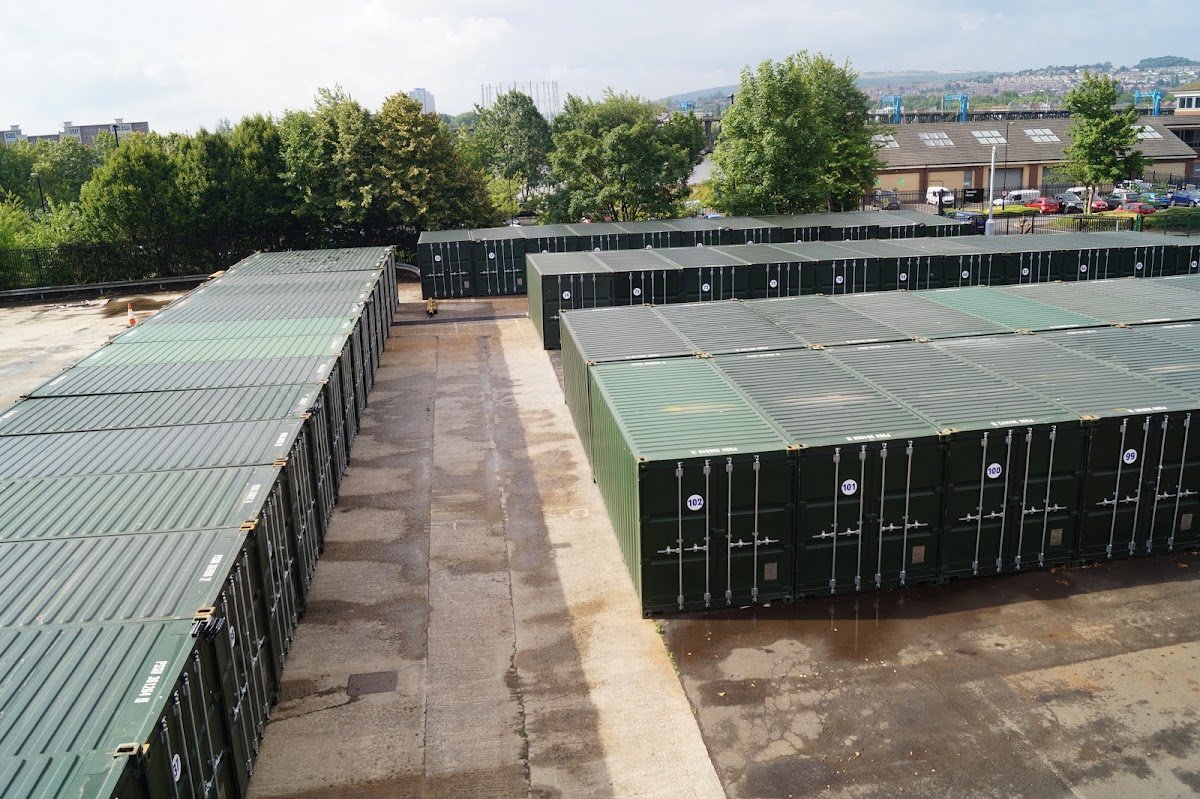
Nixon Hire Smart Store
Professional portable-toilets-standard services in Tyne and Wear. Contact for more information.
Why Portable Toilet Hire is in Demand in Tyne and Wear
Portable toilet hire suppliers serve all major areas across Tyne and Wear's compact metropolitan geography. Whether your project is in Newcastle's bustling city centre, Sunderland's regenerating waterfront, Gateshead's cultural quarter, or coastal towns, local suppliers provide comprehensive coverage with competitive North East regional pricing.
Portable Toilet Hire Prices in Tyne and Wear
All prices include delivery, weekly servicing, and collection. No hidden fees.
Tyne and Wear vs National Pricing
Portable toilet hire costs in Tyne and Wear reflect North East regional pricing (5-10% below Midlands/national averages) whilst maintaining identical specifications and HSE compliance standards. Understanding the factors influencing costs helps you budget accurately for construction projects, events, and temporary site requirements across the metropolitan area.
Factors Affecting Local Pricing
How Many Portable Toilets Do You Need for Your Tyne and Wear Event or Site?
Event Calculator (4-hour events)
Standard Ratio: 1 toilet per 75 guests
No alcohol served. Increase to 1:60 if serving drinks.
| Guest Count | No Alcohol | With Alcohol | 8+ Hours |
|---|---|---|---|
| 50 people | 1 unit | 1 unit | 1-2 units |
| 100 people | 2 units | 2-3 units | 3 units |
| 150 people | 2 units | 3 units | 3-4 units |
| 200 people | 3 units | 4 units | 4-5 units |
| 300 people | 4 units | 5 units | 6 units |
Luxury Wedding Calculator
Recommendation: Luxury toilet trailers provide a better guest experience at premium venues. They include multiple stalls, running water, climate control, and elegant finishes.
| Guest Count | Recommended Setup | Stalls |
|---|---|---|
| 80-100 guests | 1 luxury trailer | 2-3 stalls |
| 120-150 guests | 1 large luxury trailer OR 2 smaller units | 4-5 stalls total |
| 150-200 guests | 2 luxury trailers | 6-8 stalls total |
| 200+ guests | Contact suppliers for bespoke setup | Custom configuration |
Construction Site Requirements (UK HSE)
Legal Requirement: 1 toilet per 7 workers
Must be within 10 minutes walking distance. Mixed-gender sites (20+ workers) need separate facilities.
| Workers on Site | Required Units | Example Project |
|---|---|---|
| 10 workers | 2 units minimum | House renovation |
| 20 workers | 3 units | Commercial site |
| 35 workers | 5 units | Development project |
| 50+ workers | 7+ units | Large construction |
✓ Disabled Access: At least 1 disabled-access unit required regardless of workforce size. 10% of total units should be accessible.
Types of Portable Toilets Available in Tyne and Wear
Standard Portable Toilets
£55-70/week
Best for: Construction sites, festivals, outdoor events, budget projects
- Self-contained chemical toilet
- Hand sanitizer & toilet paper
- No power/water connection needed
- Weekly servicing included
Luxury Toilet Trailers
/weekend
Best for: Weddings, corporate events, high-end functions, VIP areas
- 2-5 stalls with flushing toilets
- Climate control (heating/AC)
- Premium finishes & mirrors
- Running hot water
Disabled Access Units
/week
Best for: Legal compliance, accessible events, inclusive construction sites
- Wheelchair accessible entrance
- Spacious interior with turning circle
- Grab rails & emergency alarm
- Baby changing facilities
Welfare/Site Units
£65-80/week
Best for: Construction sites, long-term projects, CDM compliance
- Toilet & wash basin
- Hot & cold running water
- Heating (winter models)
- Meets CDM 2015 requirements
Quick Comparison
| Type | Price | Key Features | Best For |
|---|---|---|---|
| Standard | £55-70/wk | Basic, no power needed | Events, construction |
| Luxury | /wknd | Climate control, premium | Weddings, corporate |
| Disabled | /wk | Wheelchair accessible | All events (required) |
| Welfare | £65-80/wk | Hot water, basin, CDM | Construction sites |
Portable Toilet Hire Costs in Tyne and Wear (2025 Pricing)
2025 Tyne and Wear Pricing
| Unit Type | Weekly Rate | Weekend Rate | Delivery |
|---|---|---|---|
| Standard | £55-70 | - | £70-85 |
| Luxury Trailer | - | Included | |
| Disabled Access | - | £70-85 | |
| Welfare/Site | £65-80 | - | £70-85 |
Weekly Hire Includes
- Delivery to your Tyne and Wear location
- Professional installation and setup
- Weekly service (emptying, cleaning, restocking)
- Toilet paper and hand sanitizer
- Collection at end of hire period
- Licensed waste disposal
Weekend Luxury Includes
- Friday delivery and setup
- Pre-event deep clean
- Premium consumables (soap, towels, air freshener)
- Monday morning collection
- Mid-event servicing (150+ guests, often complimentary)
Extra Costs to Watch For
Not always included - confirm with Tyne and Wear suppliers:
Weekend/Evening Delivery
£30-50
Same-Day Emergency
£50-80
Additional Servicing
£40-60/visit
Generator Hire
£60-100/day
Ground Protection Boards
£20-40
Remote Location Surcharge
£15-30
Tyne and Wear-Specific Pricing Factors
How Tyne and Wear Compares
National Average
£55-70
/week
Tyne and Wear Average
£55-70
/week (9-14% above national)
Central London
£75-90
/week (25% more than Tyne and Wear)
Choosing a Portable Toilet Hire Supplier in Tyne and Wear
Essential Supplier Checks
Valid Waste Carrier License
All suppliers must be Environment Agency registered. Ask for registration number.
Public Liability Insurance
Minimum £5M coverage required. Request certificate copy.
Tyne and Wear Coverage Confirmation
Verify they regularly deliver to your specific town or area.
Fleet Condition Evidence
Request recent photos of actual units, not stock images.
Transparent Pricing
Detailed written quotes showing all costs, no vague "from £X" pricing.
Customer Reviews
4+ star average with 10+ reviews minimum. Check Google & Trustpilot.
Red Flags to Avoid
❌ No waste carrier license provided
❌ Significantly cheaper than other quotes
❌ Only mobile phone, no business address
❌ Stock photos only, won't show actual units
❌ Vague about what's included
❌ No written quote or contract
10 Key Questions to Ask
What's your total quote including delivery to [my Tyne and Wear town]?
How quickly can you deliver to my location?
What's included in your weekly servicing?
Do you offer same-day emergency delivery in Tyne and Wear?
Have you worked at [specific venue/site type] before?
What happens if a unit is damaged or blocked during hire?
Can I see photos of your actual units (not stock images)?
What are your payment terms?
Do you offer discounts for multiple units or long-term hire?
Are you licensed and insured? (ask for proof)
Portable Toilet Hire Coverage Across Tyne and Wear Towns and Districts
Getting Quotes from Tyne and Wear Portable Toilet Hire Suppliers
How to Get Quotes in 6 Easy Steps
Calculate How Many
Use our calculator above to determine how many toilets you need based on guest count or workers.
Choose Type
Decide between standard, luxury, disabled access, or welfare units based on your needs.
Prepare Information
Gather: Tyne and Wear location, dates, event type, guest/worker count, access details, special requirements.
Request Quotes
Contact 3-5 Tyne and Wear suppliers from our directory below. Submit one request to get multiple quotes.
Compare Quotes
Compare total price, what's included, delivery times, reviews, and emergency support.
Book & Confirm
Select your supplier, confirm delivery details, arrange payment, and receive confirmation.
Information to Provide for Accurate Quotes
Location Details
- • Specific Tyne and Wear town/village
- • Venue name (if applicable)
- • Access considerations
Hire Requirements
- • Type & quantity needed
- • Hire dates or duration
- • Delivery/collection times
Event/Project Details
- • Event type or site purpose
- • Expected guest/worker count
- • Event duration
Special Requirements
- • Power availability
- • Ground conditions
- • Mid-event servicing needs
How Quickly Can You Get Toilets in Tyne and Wear?
1-2 weeks
Standard units (non-peak)
4-6 months
Luxury trailers (wedding season)
2-3 weeks
Construction long-term
2-4 hours
Emergency/urgent delivery
Frequently Asked Questions
Everything you need to know about Portable Toilet Hire in Tyne and Wear
01 How much does portable toilet hire cost in Tyne and Wear?
Portable toilet hire in Tyne and Wear costs £55-70/week for standard units, £65-80/week for accessible disabled toilets, and £90-110/week for welfare units—reflecting North East regional pricing 5-10% below Midlands/national averages (£60-70, £70-85, £100-120 respectively) whilst maintaining identical specifications and HSE compliance. Luxury toilet trailers for weddings and upscale events cost £400-600/weekend, aligned with Northern regional pricing and below premium South East rates (£500-750/weekend). Delivery charges range £30-50 depending on location within Tyne and Wear: central Newcastle, Gateshead, and Sunderland typically £30-40, whilst coastal locations (South Shields, Whitley Bay) or sites with challenging access may incur £45-55. Monthly hire reduces weekly costs by 15-25%: standard units drop to £45-60/month, accessible units to £55-70/month, and welfare units to £75-95/month—advantageous for construction projects extending beyond 6-8 weeks. Event hire operates on different structures: weekend hire (Friday-Monday) costs 150-200% of weekly rates, whilst single-day events are charged at 80-120% of weekly rates depending on setup complexity. Major Tyne and Wear events (Great North Run, Sunderland International Airshow, Newcastle Pride) may require advance booking (3-6 months) to secure standard pricing, with last-minute bookings potentially facing 20-40% surcharges due to limited availability during peak periods.
02 How many portable toilets do I need for my construction site in Tyne and Wear?
CDM 2015 construction site welfare regulations require 1 toilet per 7 workers under HSE Approved Code of Practice L24. Calculate requirements by maximum workers on site simultaneously: 10 workers need 2 toilets minimum, 30 workers require 5 toilets, and 50 workers need 8 toilets. Sites employing both male and female workers may require separate facilities depending on workforce composition and site layout—consult HSE guidance for specific situations. Additionally, Equality Act 2010 may require accessible toilets if employing disabled workers; whilst not mandated for all sites, providing at least one accessible unit demonstrates inclusive employment practices increasingly expected across Tyne and Wear's construction sector. Welfare units combining toilets, washing facilities, heated drying rooms, and rest areas satisfy CDM 2015 requirements more comprehensively than standalone toilets: sites with under 10 workers can typically use a single basic welfare unit, whilst 20-50 worker sites need standard 12-16ft welfare units, and 50+ worker sites require larger 16-20ft units or multiple welfare facilities. Usage intensity affects requirements: sites operating single 8-hour shifts generate standard usage (60-80 uses per toilet per week), whilst multi-shift operations (16-hour days or 24-hour projects) may require additional units or more frequent servicing (twice-weekly rather than weekly) to maintain hygiene standards and prevent capacity issues. Tyne and Wear construction sites should factor in servicing accessibility: units must be positioned where service vehicles can access weekly for waste removal and consumable restocking—constrained urban sites (Newcastle city centre, historic Gateshead Quayside) may require additional units if servicing logistics are challenging, ensuring continuous availability if one unit requires emergency attention. For long-term projects (6+ months), consider seasonal variations: winter months may see reduced outdoor construction activity potentially allowing temporary unit number reductions, whilst summer peaks or compressed project schedules may require supplementary facilities. Consult with Tyne and Wear suppliers experienced in construction sector—they can assess your specific site, workforce patterns, and project timeline to recommend optimal provision meeting CDM 2015 whilst avoiding over-provision increasing costs unnecessarily.
03 What's included in the weekly hire rate for Tyne and Wear portable toilets?
Weekly hire rates for Tyne and Wear portable toilets typically include: the unit itself (standard toilet, accessible unit, or welfare facility as specified), weekly servicing (waste tank emptying, fresh water refilling for flushing units, consumables restocking including toilet paper and hand sanitizer, basic interior cleaning), and standard positioning within accessible site areas. Most Tyne and Wear suppliers include one delivery and one collection within contracts of 4+ weeks duration, making total cost predictable for standard construction projects. However, several items usually incur additional charges beyond base weekly rate: initial delivery to site (£30-50 depending on location), final collection at contract end (£30-50, though sometimes included in delivery fee for longer contracts), enhanced servicing beyond weekly frequency (twice-weekly servicing adds £15-25/week per unit, necessary for high-traffic sites or events), additional features like hand-washing stations (£35-50/week), heating for winter use (£10-20/week extra, though often included in welfare units), enhanced lighting (£5-15/week), and baby-changing facilities (£5-10/week within accessible units or £40-60/week for dedicated stations). Emergency call-outs for blockages or damage outside scheduled servicing typically cost £50-80 plus technician time (£30-40/hour), though reputable suppliers resolve issues quickly within base service commitment where possible. Delivery charges vary by location: central Tyne and Wear areas (Newcastle city centre, Gateshead, Sunderland urban zones) typically £30-40, whilst coastal locations (South Shields, Whitley Bay, North Shields), sites with access challenges (narrow historic lanes, construction traffic zones), or remote positions may incur £45-55. Multiple unit deliveries often receive per-unit discounts: 3-5 units might reduce delivery to £25-35/unit, whilst 10+ units could drop to £20-30/unit. Some suppliers include delivery/collection in monthly contracts (4+ weeks), simplifying budgeting for longer-term construction projects. Always request itemized quotes clarifying exactly what's included versus additional charges—transparent suppliers provide detailed breakdowns enabling accurate cost comparison and preventing unexpected expenses during contract.
04 Do Tyne and Wear portable toilet suppliers serve coastal locations like South Shields and Whitley Bay?
Yes, Tyne and Wear portable toilet suppliers comprehensively serve all coastal locations including South Shields, Whitley Bay, North Shields, Roker, Seaburn, and Tynemouth, though coastal environments require specific equipment considerations. Coastal exposure to North Sea weather creates distinctive challenges: salt air accelerates corrosion necessitating corrosion-resistant fittings and more frequent unit replacement cycles, strong coastal winds (particularly during autumn/winter storms with gusts exceeding 50mph) require secure anchoring preventing units displacing during events or overnight periods, and driving rain combined with sea spray demands robust construction withstanding harsh marine conditions. Experienced Tyne and Wear suppliers stock units with enhanced specifications for coastal use: steel anti-vandal construction rather than standard polyethylene for extreme exposure sites, secure anchoring systems including ground stakes or weighted bases preventing wind displacement, and weather seals maintaining interior protection during coastal storms. South Shields' extensive beaches and seafront host numerous summer events (music festivals, coastal sports, family entertainment) requiring suppliers experienced in beach and seafront positioning—understanding tide patterns affecting vehicle access, soft sand requiring reinforced bases preventing units sinking, exposure requiring wind-resistant equipment, and visitor flow patterns optimizing facility placement. Whitley Bay's traditional seaside character similarly drives summer event demand, whilst North Shields Fish Quay regeneration creates construction requirements in challenging historic coastal environments. Delivery charges to Tyne and Wear coastal locations typically range £35-55 depending on specific site accessibility: established seafront areas with good road access (South Shields main seafront, Whitley Bay promenade) typically £35-45, whilst more remote positions or sites requiring extended positioning time (beach access restricted by tides, soft ground requiring reinforcement, narrow historic lanes in Fish Quay) may incur higher fees. Most Tyne and Wear suppliers readily serve coastal areas within standard service coverage, maintaining fleet specifications appropriate for marine environments whilst applying consistent North East regional pricing. Discuss coastal-specific requirements when requesting quotes: exposure level (sheltered promenade vs. fully exposed beach), ground conditions (firm paved areas vs. soft sand), access restrictions (tide patterns, seasonal visitor traffic limiting delivery windows), and event duration (single-day vs. multi-week positioning affecting weather exposure duration)—this enables suppliers to recommend appropriate units and accurate pricing for your coastal Tyne and Wear location.
05 How do I book portable toilets for the Great North Run in Tyne and Wear?
Booking portable toilets for Great North Run events requires advance planning as this internationally-renowned race (attracting 60,000+ runners annually) creates the region's largest temporary sanitation demand spike spanning Newcastle to South Shields. Event organizers along the route, hospitality providers, community groups hosting viewing events, and businesses serving runners/spectators should book 3-6 months ahead (ideally March-May for September race) to secure adequate provision at standard pricing. Start by calculating requirements using Purple Guide recommendations: 1 toilet per 75-100 people for events up to 4 hours (a 500-person viewing event needs 5-7 toilets minimum), increasing provision for full-day events (1 per 60-75 people) or gatherings serving alcohol (increases usage frequency). Equality Act 2010 requires 10% wheelchair-accessible facilities for public events—a 500-person event needs minimum 1 accessible unit, whilst 1,000+ attendees require 2+ accessible toilets. Contact multiple Tyne and Wear suppliers in early spring (March-April) requesting detailed quotes specifying: exact event location (Newcastle city centre, Gateshead Quayside, South Shields seafront, or specific route point), expected attendance numbers, event duration (hours), delivery timing requirements (typically Friday/Saturday morning before race Sunday), and any special needs (hand-washing stations for food service areas, luxury facilities for corporate hospitality, enhanced capacity for high-traffic locations). Suppliers experienced in Great North Run provision understand the event's logistics, council coordination requirements (Newcastle and Gateshead councils manage route permissions and site allocations), positioning restrictions along the route, and intensive servicing schedules necessary for high-usage weekend events. Expect event-day pricing rather than weekly rates: weekend hire typically costs 150-200% of weekly rates (£80-140 for standard units, £100-160 for accessible toilets), though suppliers may offer slight discounts for multi-unit bookings (5+ toilets might receive 10-15% reduction per unit). Delivery charges for Great North Run weekend may face modest premiums (£40-60 rather than standard £30-50) reflecting concentrated demand and precise timing requirements coordinating with other event suppliers. Discuss positioning logistics thoroughly: many route locations have restricted vehicle access during race weekend requiring Friday delivery before road closures, whilst collection must coordinate with Monday reopening schedules. For hospitality events or viewing areas in central Newcastle/Gateshead, verify suppliers' experience navigating city centre access restrictions and coordinating with council event management teams. Consider attendant services (£120-150/day) for high-profile events ensuring continuous cleanliness and rapid response to any issues—particularly valuable for corporate hospitality or premium viewing areas where presentation matters. Book early, communicate clearly about your specific location and requirements, and confirm all logistics well in advance—the Great North Run represents peak demand when last-minute availability becomes severely constrained and premium pricing applies to any remaining inventory.
06 Are luxury toilet trailers available for weddings in Tyne and Wear?
Yes, luxury toilet trailers are widely available for Tyne and Wear weddings at £400-600/weekend, catering to the region's growing upscale wedding market at prestigious venues including Beamish Hall Hotel, Lumley Castle, Matfen Hall, Close House, and contemporary spaces like Baltic Centre for Contemporary Art. These premium units transform temporary sanitation into sophisticated guest experiences featuring 3-6 separate cubicles (reducing wait times and maintaining privacy), high-quality porcelain toilets and sinks, climate control (heating for spring/autumn weddings, air conditioning for summer events), stylish interior finishes with LED mood lighting creating elegant ambiance, full-length mirrors and vanity areas, piped background music, and elegant external façades blending with upscale wedding aesthetics. Tyne and Wear's wedding market—averaging £15,000-25,000 for North East celebrations—increasingly demands luxury toilet facilities matching overall event standards, with couples viewing guest comfort as essential investment rather than optional upgrade. Standard luxury trailers accommodate 50-100 guests comfortably over 6-8 hour receptions, with separate ladies' and gentlemen's sections: ladies' typically include 3-4 cubicles plus communal vanity area with premium lighting for makeup touch-ups, whilst gentlemen's feature 2 cubicles, 2-3 urinals, and washing stations. Premium units (£600-800/weekend) add enhanced features including attendant areas, upscale décor options (chandeliers, upholstered seating, enhanced counter materials), refreshment stations, and external canopies creating weather-protected entrance areas—particularly valued for outdoor wedding ceremonies at Tyne and Wear country estates or coastal venues. Weekend hire typically covers Friday afternoon delivery (after venue preparation, coordinating with other supplier arrivals), full weekend availability, and Monday morning collection—confirming exact timing with suppliers prevents conflicts with venue schedules or other wedding logistics. Attendant services (£120-150/day, below South East rates of £150-180/day) provide continuous cleaning, consumables restocking, and discreet guest assistance throughout receptions—increasingly standard for upscale Tyne and Wear weddings where presentation is paramount. Book luxury trailers 6-12 months ahead for summer wedding season (May-September peak) to ensure availability at standard pricing—popular weekend dates (bank holidays, ideal weather windows) see highest demand. Suppliers serving Tyne and Wear luxury wedding market provide complimentary site surveys assessing venue access (crucial for historic properties with narrow driveways or country estates with long approach routes), power requirements (mains connection preferred for climate control and lighting, though generators available if mains unavailable), and optimal positioning balancing guest convenience with aesthetic discretion. Discuss color scheme coordination if relevant (some suppliers offer interior décor options matching wedding themes), accessibility considerations (ramps if venue has uneven ground), and any specific requirements from prestigious venues regarding supplier credentials or insurance minimums. Lower North East pricing (£400-600 vs. South East £500-750) makes luxury facilities accessible to broader range of Tyne and Wear couples whilst maintaining sophisticated standards expected by discerning guests—the modest investment (typically under 2% of total wedding budget) significantly enhances guest experience at this important celebration.
07 What servicing schedule do construction sites need in Tyne and Wear?
Standard weekly servicing suits most Tyne and Wear construction sites operating single-shift patterns with typical workforce sizes (10-25 workers generating 60-80 toilet uses per week), covering waste tank emptying, fresh water refilling for flushing units, consumables restocking (toilet paper, hand sanitizer, urinal blocks), and basic interior cleaning maintaining hygiene standards required under CDM 2015. Weekly servicing typically occurs midweek (Tuesday-Thursday) minimizing weekend disruption whilst ensuring units remain compliant throughout working weeks. However, several scenarios require enhanced servicing frequencies: high-usage sites with 30+ workers may generate 100+ weekly uses exceeding comfortable capacity between weekly services—twice-weekly servicing (additional £15-25/week per unit) prevents tank capacity issues and maintains cleanliness standards essential for worker welfare and HSE compliance. Multi-shift operations (16-hour days or 24-hour projects) similarly benefit from twice-weekly attention due to concentrated usage in shorter timeframes. Summer construction peaks (May-September) when higher temperatures accelerate waste decomposition and increase odor potential may justify enhanced servicing particularly for sites without welfare units' ventilation systems. Sites with particularly challenging access (narrow historic Newcastle lanes, coastal locations with restricted delivery windows, regeneration zones with intensive construction traffic) might benefit from larger-capacity welfare units serviced weekly rather than standard toilets requiring twice-weekly access—discuss options with suppliers to optimize service reliability whilst controlling costs. CDM 2015 requires construction site toilets remain clean, adequately stocked, and functional throughout working hours—if standard weekly servicing proves insufficient (complaints from workers, visible cleanliness issues, consumables running out before next service), immediately request enhanced frequency rather than risking HSE compliance issues potentially halting work. Most Tyne and Wear suppliers schedule regular service routes covering multiple sites in specific areas on particular days—communicate your site location during booking enabling supplier to integrate into existing efficient routes (potentially reducing servicing costs compared to isolated sites requiring dedicated trips). Establish clear servicing day expectations in contract terms: knowing toilets are serviced every Wednesday, for example, enables site managers to plan around brief service disruption and monitor whether commitments are met. Emergency servicing for blockages, damage, or urgent issues should be available 24/7 for construction sites though most reputable suppliers resolve such problems within 4-8 working hours—confirm emergency response procedures and contact details when contracting. For long-term Tyne and Wear construction projects (6+ months), consider quarterly fleet replacement even if units remain functional—fresh units maintain worker morale, demonstrate commitment to welfare standards, and prevent gradual deterioration impacting usability before it becomes critical. Winter construction requires particular attention to welfare unit heating systems ensuring drying rooms and warming facilities remain operational—confirm winter servicing includes heating system checks and antifreeze provision preventing freeze damage during Tyne and Wear's cold periods (December-February averaging 2-6°C).
08 Can I hire portable toilets for events in Newcastle's city centre?
Yes, portable toilets are widely available for Newcastle city centre events including festivals at Grey's Monument area, outdoor markets in Grainger Town, cultural celebrations in historic quarters, corporate functions at business district venues, and community gatherings in urban parks—though city centre positioning requires coordination with Newcastle City Council and navigation of access restrictions. Newcastle's compact centre features pedestrianized zones (Northumberland Street, Grainger Market area), traffic restrictions (limited vehicle access hours), narrow historic lanes (Quayside, Side area, medieval street patterns), and busy commercial districts creating delivery and positioning challenges requiring supplier experience in urban logistics. When planning city centre events, discuss access routes thoroughly with suppliers: many locations require early morning delivery (typically 6-8am before pedestrian zones activate) or weekend positioning when commercial traffic is reduced. Suppliers experienced in Newcastle city centre understand these restrictions, maintain appropriate delivery vehicles (compact trucks navigating narrow lanes rather than full-size lorries), and coordinate with council traffic management teams for temporary access permissions where required. Some prestigious city centre venues (Grey Street cultural buildings, Quayside hospitality spaces, business quarter corporate locations) have specific supplier requirements or preferred provider lists—verify venue policies early in event planning to ensure your chosen supplier can access the site. Delivery charges for Newcastle city centre events typically range £35-50 reflecting additional logistics complexity compared to straightforward industrial estate access, though charges shouldn't significantly exceed standard Tyne and Wear rates if suppliers are experienced in urban environments. Event toilet requirements follow Purple Guide recommendations: 1 toilet per 75-100 people for events up to 4 hours (a 300-person city centre market needs 3-4 toilets), with 10% accessible provision mandatory under Equality Act 2010 for public gatherings. Position units strategically balancing guest convenience with aesthetic discretion—city centre events often benefit from luxury toilet trailers or enhanced event blocks maintaining sophisticated presentation matching urban venue standards, rather than basic portable units more suited to construction sites or casual outdoor gatherings. For events in Newcastle's parks (Exhibition Park, Leazes Park, Town Moor), access is generally more straightforward than historic centre locations, though coordinate positioning with Newcastle City Council parks department and verify any ground protection requirements (reinforcing mats preventing grass damage, restrictions on vehicle movements during wet periods). Corporate events at Newcastle business quarter venues increasingly expect luxury facilities—toilet trailers costing £400-600/weekend provide sophisticated guest experience appropriate for professional functions whilst accommodating attendee numbers efficiently. Confirm collection logistics coordinating with venue requirements: Monday morning collection after weekend events must occur before business operations resume, whilst single-day events may need evening collection minimizing overnight presence in urban environments. Newcastle city centre represents higher security environments where anti-vandal units (£60-80/week, steel construction with secure locking) may be advisable for multi-day events or overnight positioning preventing tampering or damage in public locations. Book early for established Newcastle events calendar (Newcastle Pride, cultural festivals, Christmas markets) as city centre demand peaks during these periods—3-6 months advance booking secures availability and standard pricing avoiding last-minute premiums.
09 Are heated welfare units necessary for winter construction in Tyne and Wear?
Yes, heated welfare units are essential for winter construction in Tyne and Wear (November-February, with extended cold periods October-March) under CDM 2015 welfare provisions requiring adequate heating, drying facilities, and warming areas for construction workers. Tyne and Wear's maritime climate brings relatively mild winters (average temperatures 2-6°C) compared to inland Britain, but persistent cold, damp conditions, and North Sea coastal winds create challenging working environments making heated facilities crucial for worker welfare and HSE compliance. CDM 2015 requires construction sites provide welfare facilities including 'a place to warm up and make hot drinks,' which in practice means heated rest areas, drying rooms for wet weather gear, and comfortable changing facilities—all integrated within modern welfare units. Standard welfare units (£90-110/week in Tyne and Wear) typically include heating as standard specification during winter months (October-March), either via mains electric connection (preferred where site power available) or diesel heating systems for off-grid locations. Diesel heating adds modest running costs (approximately £5-10/week fuel consumption depending on usage intensity and ambient temperatures) but ensures continuous operation regardless of site power availability—critical for early-phase construction before mains electricity is connected. Heated welfare facilities serve multiple essential functions: drying rooms enable workers to dry wet clothing between shifts or during breaks (Tyne and Wear receives approximately 600mm annual rainfall distributed throughout year, with winter months particularly wet), maintaining morale and comfort; rest areas with heating provide regulatory-required warming facilities where workers can make hot drinks and eat meals in comfortable conditions rather than sitting in cold vehicles or unheated site areas; changing facilities with heating encourage proper use of PPE and work clothing rather than workers arriving already dressed due to cold changing areas. Sites without adequate heating risk HSE enforcement action—inspectors increasingly scrutinize welfare provisions as part of broader construction worker wellbeing focus, with inadequate facilities potentially triggering improvement notices or prohibition orders halting work until compliance is achieved. Beyond regulatory compliance, heated welfare units deliver practical benefits: improved worker morale and satisfaction (comfortable facilities demonstrate contractor's commitment to welfare, aiding recruitment and retention in competitive construction labor market), reduced absenteeism (comfortable warm facilities during breaks help prevent cold-related illnesses reducing sick days), enhanced productivity (workers returning from warm rest breaks maintain better focus and efficiency than those shivering in cold site areas), and better safety outcomes (cold, uncomfortable workers make more mistakes and take shortcuts potentially causing accidents). Tyne and Wear suppliers maintain diesel or electric heating systems as standard in welfare units, with heating capacity adequate for maritime climate conditions—discuss specific requirements if your site faces particularly exposed locations (coastal construction, elevated positions, open sites without wind breaks) where enhanced heating capacity may be advisable. Confirm heating system servicing is included in regular weekly maintenance ensuring continuous operation throughout winter—heating failures during cold periods create immediate CDM compliance issues requiring emergency replacement units (typically £50-80 emergency call-out plus rapid replacement unit delivery). For extremely cold periods (occasional Tyne and Wear winters when temperatures drop below 0°C for extended periods), verify units have adequate insulation and heating capacity maintaining comfortable internal temperatures (minimum 16-18°C) even when external conditions are harsh. While heated welfare units cost the same as standard units in Tyne and Wear winter months (heating included in base £90-110/week pricing), some suppliers charge modest supplements (£10-20/week) for premium heating systems or enhanced insulation—clarify whether your quote includes adequate heating for your specific winter construction requirements.
10 What accessibility features do Equality Act 2010 compliant toilets include?
Equality Act 2010 compliant accessible portable toilets in Tyne and Wear (costing £65-80/week, below South East £70-85 but meeting identical specifications) include comprehensive features enabling wheelchair users and people with disabilities to use facilities independently and with dignity. Minimum internal dimensions of 1.5m × 2.2m provide adequate space for wheelchair turning circles and assisted transfers, significantly larger than standard portable toilets (typically 1.1m × 1.1m internal)—this additional space is essential, not optional. Wide door openings (minimum 850mm) accommodate wheelchairs including larger powered models, with outward-opening doors preventing interior space reduction and providing easier access than inward-opening configurations. Level threshold access with maximum 15mm step height (often achieved via integrated ramp at 1:12 gradient maximum under British Standard BS 8300) enables wheelchair users to enter without assistance or encountering barriers common in standard units with raised floors. Non-slip flooring prevents slips and falls particularly important for mobility-impaired users and during wet Tyne and Wear weather when units become damp—ribbed or textured surfaces provide grip without impeding wheelchair movement. Handrails positioned at 700-750mm height on both sides of toilet provide support for transfers and standing, with horizontal rails (not just vertical grab handles) offering greater utility for varied user needs. Raised toilet seat height (480mm vs. standard 400mm) reduces distance for transfers from wheelchairs and assists users with mobility limitations in standing from seated position—this seemingly minor 80mm difference significantly impacts usability for many disabled people. Emergency alarm system (typically pull cord extending to floor level ensuring accessibility even if user has fallen) connects to external alarm beacon visible and audible to event staff or site personnel enabling rapid assistance if required. Hand-washing facilities integrated within accessible units typically feature lever-operated taps (easier than twist taps for users with limited hand strength or dexterity), positioned at accessible height (typically 750-800mm), with soap dispensers and hand drying also at appropriate heights. Adequate internal lighting (natural via translucent roof panels plus supplementary LED lighting for evening events or winter use) ensures visibility for users with visual impairments. Contrasting colors between key elements (dark toilet seat against light bowl, colored grab rails against neutral walls) assists users with visual impairments in identifying features. The Equality Act 2010 requires public events provide wheelchair-accessible facilities comprising minimum 10% of total toilet provision—a 500-person event with 6 standard toilets must include 1 accessible unit minimum, whilst 1,000-person gatherings need 2+ accessible toilets. Construction sites aren't subject to same fixed percentages but must provide accessible facilities if employing disabled workers, with good practice suggesting at least one accessible unit on sites with 20+ workers regardless of known disabled employee presence (demonstrating inclusive employment practices). Accessible units cost modestly more than standard toilets (£65-80 vs. £55-70/week) reflecting larger construction, additional fittings, and specialized features, but price difference is minimal relative to importance of accessibility compliance and inclusive provision. Some Tyne and Wear suppliers offer enhanced accessible units with additional features: baby-changing tables (valuable for accessible parent facilities, additional £5-10/week), premium finishes matching luxury toilet trailer standards (for upscale events where accessible facilities should equal luxury provision for all guests), or expanded dimensions (2m × 2.5m rather than minimum 1.5m × 2.2m) providing even greater maneuverability for larger wheelchairs or assisted users. Discuss specific accessibility requirements with suppliers if your event or construction site has known needs: multiple disabled attendees at events may justify additional accessible units beyond 10% minimum, whilst construction sites with disabled employees should ensure accessible facilities positioned in most convenient locations near main working areas rather than distant site peripheries. Equality Act compliance isn't just legal requirement—it demonstrates commitment to inclusivity ensuring all guests or workers can participate fully in events or projects with dignity and independence.
11 How do I arrange portable toilets for Sunderland seafront events?
Arranging portable toilets for Sunderland seafront events (including Sunderland International Airshow attracting 1+ million visitors over two days, coastal festivals, beach sports competitions, and outdoor entertainment at Roker and Seaburn) requires advance planning addressing coastal-specific challenges and coordinating with Sunderland City Council. Start by calculating requirements using Purple Guide recommendations: 1 toilet per 75-100 people for events up to 4 hours (a 750-person beach festival needs 8-10 toilets), increasing to 1 per 60-75 for full-day events and adjusting for alcohol service (increases usage frequency). Equality Act 2010 requires 10% accessible provision—8 standard toilets need minimum 1 accessible unit, whilst larger events need proportional accessible facilities. Contact Tyne and Wear suppliers 3-6 months ahead for major summer seafront events (June-August peak period) requesting quotes specifying: exact seafront location (Roker promenade, Seaburn beach, specific airshow viewing area), expected attendance, event duration, delivery timing (typically Friday/Saturday before weekend events), and coastal-specific requirements (exposure to North Sea winds, potential soft ground on beach-adjacent areas, restricted access during high visitor periods). Suppliers experienced in Sunderland seafront events understand distinctive coastal challenges: salt air requiring corrosion-resistant units and fittings, strong winds necessitating secure anchoring (ground stakes or weighted bases preventing displacement during gusts exceeding 50mph during coastal storms), soft sand or beach-adjacent ground requiring reinforced bases preventing units sinking during use or wet weather, and tide patterns potentially affecting vehicle access to certain seafront areas. Discuss positioning logistics thoroughly: many seafront locations have restricted vehicle access during events requiring Friday delivery before road closures for event setup, whilst collection must coordinate with Monday reopening after weekend gatherings. For beach-based events or positions on sand, verify ground conditions and whether reinforcement (heavy-duty mats or boards) is needed to support unit weight—standard portable toilets weigh 100-150kg, whilst larger welfare units or event blocks can exceed 200-300kg requiring firmer bases. Coordinate with Sunderland City Council events team for any permissions required for public space usage, particularly for large events like the International Airshow where council manages overall site logistics and supplier access. Confirm whether your event falls under council-coordinated provision (large public events often have centralized facility procurement) or requires independent supplier arrangement. Delivery charges to Sunderland seafront typically range £35-50 depending on specific location accessibility: established promenade areas with good road access £35-45, whilst more remote beach positions or sites requiring extended positioning time may incur higher fees. For major events like the International Airshow, expect weekend event pricing (150-200% of weekly rates, approximately £80-140 for standard units, £100-160 for accessible toilets) reflecting concentrated demand and intensive usage during the event weekend. Consider attendant services (£120-150/day) for high-traffic seafront events ensuring continuous cleaning, rapid response to blockages or issues, and consumables restocking during peak usage periods—particularly valuable for events where presentation matters and visitor experience is priority. Discuss emergency servicing plans: large events may require mid-event servicing if usage exceeds tank capacity (typically every 4-6 hours for very high-traffic positions), with suppliers positioning backup units or scheduling rapid tank emptying during quieter periods. For overnight positioning on seafront (multi-day events or extended setup periods), anti-vandal units (£60-80/week, steel construction with secure locking) may be advisable preventing tampering or damage in public beach environments. Weather contingency planning is crucial for exposed coastal locations: confirm supplier procedures for high wind warnings (additional anchoring, delayed positioning until conditions improve, emergency securing during events if forecasts deteriorate) and what happens if weather makes positioning unsafe. Book early for established Sunderland seafront calendar (International Airshow in July, summer festivals, coastal sports events) as coastal event demand peaks during best weather months—3-6 months advance booking secures availability and standard pricing avoiding last-minute premiums of 20-40% when inventory becomes constrained.
12 What's the minimum hire period for construction sites in Tyne and Wear?
Minimum hire periods for construction site portable toilets in Tyne and Wear typically span 4 weeks (one month), standard across the industry reflecting suppliers' operational economics and equipment allocation patterns. Four-week minimums mean even short construction projects (2-3 week duration) are charged for the full month—clarify this when requesting quotes to avoid surprises if your project timeline is shorter than the minimum period. The 4-week minimum exists because supplier costs (delivery logistics, equipment depreciation, administrative overhead, collection scheduling) don't scale proportionally with hire duration: delivering and collecting a toilet for a 1-week hire incurs similar costs to a 4-week hire, making very short rentals uneconomical without minimum periods. However, some flexibility exists for specific situations: established customers with ongoing relationships or regular repeat business may negotiate shorter minimums (2-3 weeks) particularly if combining with other hires enabling efficient delivery/collection logistics. Event hire operates entirely differently: single-day events are charged at day rates (80-120% of weekly rates), weekend events at weekend rates (150-200% of weekly rates covering Friday-Monday), with no minimum week requirements—this enables festivals, weddings, or community gatherings to hire cost-effectively for brief periods. Emergency or urgent hires (requiring immediate delivery outside normal scheduling) may face both minimum period charges and premium pricing surcharges (20-40% above standard rates) reflecting disrupted logistics and urgent inventory allocation. For Tyne and Wear construction projects, the 4-week minimum typically aligns well with practical project timelines: most construction work requiring temporary toilets spans multiple weeks even for relatively small projects, whilst CDM 2015 welfare requirements apply from first day workers attend site regardless of total project duration. If your construction timeline genuinely is very short (under 2 weeks), consider whether you can absorb the 4-week minimum charge (still relatively modest—£55-70/week for standard units means £220-280 total month cost), or explore event hire pricing for 1-2 week durations potentially offering better value for very brief requirements. Discuss your specific timeline when requesting quotes: some suppliers offer graduated pricing where 2-week hires might be charged at 75% of 4-week total rather than full monthly cost (recognizing reduced commitment whilst covering baseline costs), whilst others maintain strict minimum periods with no flexibility. For projects with uncertain timelines (common in construction due to weather delays, material supply issues, or scope changes), 4-week minimum contracts with extension options provide flexibility: initial 4-week booking establishes base hire, with weekly extensions available if project overruns—typically at slightly reduced weekly rates (£50-60 rather than standard £55-70) since delivery costs are already absorbed in initial hire. Conversely, early termination before minimum period completion usually requires paying full minimum period cost: if you hire for 4 weeks but complete work in 2 weeks and request early collection, you'll still be invoiced for the full 4-week minimum. Long-term construction projects (3+ months) benefit from monthly hire pricing reducing weekly costs by 15-25% compared to rolling weekly contracts: standard units dropping from £55-70/week to £45-60/month saves £40-60 monthly per unit—substantial for multi-toilet sites over extended periods. Clarify minimum periods, extension procedures, early termination policies, and long-term pricing options in written quotes before committing, ensuring contract terms align with your Tyne and Wear construction project realities and avoid unexpected charges if timelines change.
Find Portable Toilet Hire Suppliers in Tyne and Wear
Compare quotes from verified local suppliers and get the best deal
Compare Quotes Now